
What Is a Chinese Talisman? Meaning, History and Cultural Background
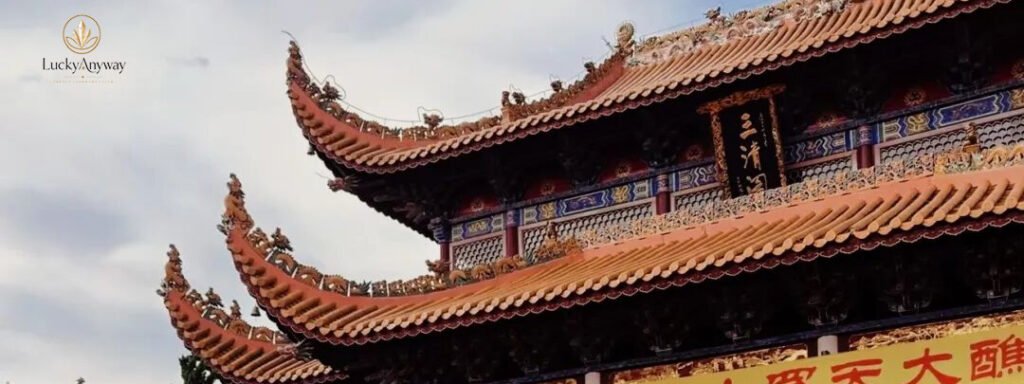
Understanding the Cultural Roots Behind Chinese Talisman Traditions
A Chinese talisman is a traditional symbolic object that combines written characters, artistic patterns, cultural beliefs, and historical practices from Chinese civilization. It was traditionally used as a way to express wishes for harmony, protection, blessings, and personal intention. A Chinese talisman is not simply a piece of paper with symbols; it represents a long cultural history where calligraphy, philosophy, folk customs, and spiritual traditions came together.
For many people today, Chinese talismans are appreciated as cultural objects, symbolic artwork, and meaningful personal items. Understanding their history and traditional background helps people avoid common misunderstandings and recognize the deeper meaning behind these ancient designs.
What Is a Chinese Talisman and Why Has It Remained Important?
In traditional Chinese culture, a talisman is known as 符 (Fu). The character itself represents a symbolic connection between written form and meaning. Unlike ordinary writing, traditional talisman designs often combine calligraphy, specific structures, and cultural symbols that carry particular intentions.
A common mistake made by modern consumers is viewing a Chinese talisman only as a “lucky item” without understanding its cultural background. In traditional practice, symbols were never separated from the philosophy behind them. The meaning came from the relationship between language, belief, customs, and the values people hoped to express.
For example, a symbol associated with prosperity was not simply about gaining wealth. Traditionally, it represented wishes for stability, opportunity, family well-being, and a harmonious life. The meaning was broader than a single expected result.
At LuckyAnyway, we approach Chinese cultural products from this perspective — focusing on the stories, symbolism, and craftsmanship behind traditional objects rather than reducing them to simple promises.
How Did Chinese Talismans Develop Through History?
The history of Chinese talismans is closely connected with the development of Chinese writing, philosophy, and folk traditions. Ancient Chinese society placed great importance on the relationship between humans, nature, and the unseen principles that influenced daily life.
Early symbolic practices can be traced back to ancient inscriptions, ritual objects, and traditional methods of recording wishes and prayers. Over centuries, these practices developed into more structured forms of symbolic writing and cultural expression.
Within traditional Chinese thought, ideas from systems such as Yin and Yang, the Five Elements, and classical philosophy influenced how people understood balance and harmony. A talisman was often viewed within this wider cultural environment, where symbols were connected with concepts of order, relationship, and natural balance.
However, it is important to distinguish historical cultural understanding from simplified modern interpretations. Today, many online discussions describe talismans only through quick explanations such as “attracting luck” or “changing fortune.” These explanations often remove the deeper cultural context that originally gave these symbols meaning.
A more accurate approach is to understand Chinese talismans as traditional symbolic expressions. They reflect how previous generations used art, writing, and cultural practices to express hopes, respect, and personal intentions.
What Cultural Ideas Are Connected With Chinese Talismans?
Chinese talisman culture developed alongside several important ideas in Chinese civilization. The most important foundation is the belief that symbols carry meaning and that human life is connected with broader patterns of nature and society.
Traditional Chinese culture has always valued symbolism. The same principle can be seen in architecture, paintings, clothing, festivals, and decorative objects. A symbol is not only an image; it carries stories, memories, and cultural associations passed through generations.
| Symbolic Element | Traditional Meaning | Cultural Background | Modern Appreciation | Common Misunderstanding |
|---|---|---|---|---|
| Chinese Characters | Express wishes, values, and cultural meanings | Chinese writing developed as both communication and artistic expression | Appreciated as calligraphy and cultural artwork | Seeing symbols only as decoration without meaning |
| Colors and Patterns | Represent traditional associations and wishes | Used widely in festivals, art, and customs | Valued for cultural design and visual beauty | Assuming every symbol has the same meaning |
Why Do People Still Appreciate Chinese Talismans Today?
Although Chinese talismans have a long history, their cultural meaning continues to be appreciated in modern life. Many people today are interested in traditional symbols because they provide a connection with history, family traditions, and personal reflection.
A modern customer may choose a Chinese talisman for different reasons. Some people appreciate the artistic value of traditional calligraphy. Others are interested in Chinese culture and want to understand the meaning behind ancient symbols. Some people keep symbolic objects as reminders of personal goals, positive intentions, or important moments in life.
From my experience studying traditional Chinese culture, one of the biggest misunderstandings is expecting a symbolic object to replace personal effort. Traditional Chinese wisdom has never separated intention from action. A meaningful symbol may represent a direction or belief, but a person’s choices, discipline, and responsibility remain essential.
This is also why a deeper understanding of Chinese talisman culture is important. When people know the background behind a symbol, they can appreciate it with respect instead of treating it as a simple object with unrealistic expectations.
What Should You Consider Before Choosing a Chinese Talisman?
Choosing a Chinese talisman is often a personal decision. The most important point is understanding what the symbol represents and whether its meaning matches your personal intention or cultural interest.
Many buyers make the mistake of choosing a talisman only because of a popular online description. However, traditional Chinese symbols are usually connected with specific cultural meanings. A prosperity symbol, a harmony symbol, and a protection symbol each represent different wishes and values.
Before purchasing, it is useful to consider several questions:
- Do you understand the traditional meaning behind the symbol?
- Are you choosing it because of cultural appreciation, personal belief, or decorative value?
- Does the design, craftsmanship, and explanation provide enough cultural context?
- Does the seller clearly explain what the product represents without making unrealistic claims?
A responsible cultural product should provide knowledge as well as the physical item. The story behind the object is part of its value.
How Are Traditional Chinese Talismans Presented at LuckyAnyway?
At LuckyAnyway Chinese Talismans Collection, our focus is to present traditional Chinese symbolic designs as cultural and creative products. Each piece is inspired by traditional concepts, calligraphy styles, and symbolic meanings that have developed through Chinese history.
We believe a Chinese talisman should be understood through its cultural story. Whether someone is interested in prosperity symbols, protection traditions, smooth progress wishes, or traditional Chinese craftsmanship, understanding the background creates a deeper connection with the object.
For customers who are exploring Chinese cultural products for the first time, learning the meaning behind the design is often the first step. A symbol becomes more meaningful when people understand why it exists and what values it represents.
LuckyAnyway focuses on connecting traditional Chinese wisdom with modern appreciation. Our approach is not to simplify ancient culture into a single promise, but to share the historical meaning, craftsmanship, and symbolic value behind each creation.
How Can You Learn More About Chinese Talisman Traditions?
Chinese talismans are part of a much wider cultural system that includes traditional philosophy, calligraphy, symbolism, and folk customs. Learning about them requires looking beyond the surface design and understanding the ideas that shaped them.
For those interested in exploring more traditional Chinese knowledge, our LuckyAnyway website shares information about Chinese cultural practices, symbolic objects, and traditional concepts that continue to inspire people today.
If you have questions about our products, materials, designs, or the cultural meaning behind a specific piece, you can also contact our team for further information before making a purchase decision.
Final Thoughts: Understanding the Meaning Behind the Symbol
A Chinese talisman is more than an image or decorative item. It represents centuries of Chinese symbolic thinking, artistic expression, and cultural traditions. Its value comes from the meaning people connect with it and the history that continues behind the design.
For modern audiences, the best way to appreciate a Chinese talisman is through understanding. Learn its background, respect its cultural roots, and choose symbols that genuinely connect with your own values or interests.
Traditional symbols continue to survive because they carry stories. A Chinese talisman is one example of how ancient cultural expressions can still find a place in modern life.
Warm Reminder: Chinese talismans presented by LuckyAnyway are traditional folk calligraphy cultural and creative crafts intended for decoration, collection, and cultural appreciation. They do not represent guarantees of supernatural effects or specific outcomes.