








Discover Chinese Five Elements, Feng Shui & Traditional Talismans
Explore traditional Chinese BaZi (Four Pillars), Five Elements, and Feng Shui principles to discover a personalized connection with crystals, talismans, and symbolic cultural items.
What Are the Five Elements (Wu Xing)?
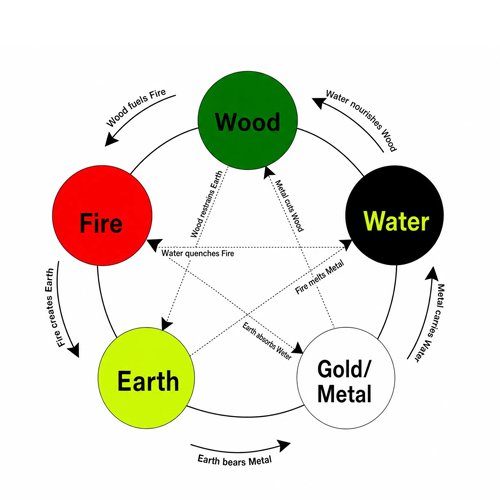
The Five Elements, known as Wu Xing (五行), are a foundational concept in traditional Chinese metaphysics that describes the dynamic relationship between Wood, Fire, Earth, Metal, and Water.
In Chinese philosophy, the Five Elements are not simply physical substances. They represent constantly changing patterns of interaction, balance, and transformation within nature and human life.
Through the principles of generating (Sheng 生) and controlling (Ke 克) cycles, the Five Elements describe how different energies support, regulate, and influence one another. Combined with Yin-Yang theory, Wu Xing provides a traditional framework for understanding balance and harmony.


Discover Your Five Element Profile
In traditional BaZi (Four Pillars of Destiny) analysis, a chart comprising the Year, Month, Day, and Hour pillars is constructed based on an individual’s birth details.
By examining the balance and interaction of the Five Elements within the chart, traditional practitioners assess factors such as the strength of the Day Master, seasonal influences (Tiao Hou, climatic adjustment), the structural configuration of the chart, and whether certain elements are excessive, insufficient, or require balancing within the individual’s Five Element composition.
This traditional approach provides insight into the relationship between an individual’s Five Element configuration and the symbolic meanings associated with these elements. From a metaphysical perspective, adjustments may be explored through colors, materials, and symbolic objects inspired by the Five Elements to encourage greater balance and harmony.
Your Personal Five Element Journey
Discover your Five Element profile through traditional BaZi analysis and explore personalized recommendations
Birth Information
Your birth date and time form the foundation of your BaZi (Four Pillars) chart
Five Element Analysis
Analyze your Five Element balance through traditional BaZi principles, including elemental strength, seasonal influence, and personal characteristics.
Contact Us
We create bespoke products tailored to your Five Elements characteristics and traditional Chinese philosophy.
Explore Our Collections

Five Element Collection
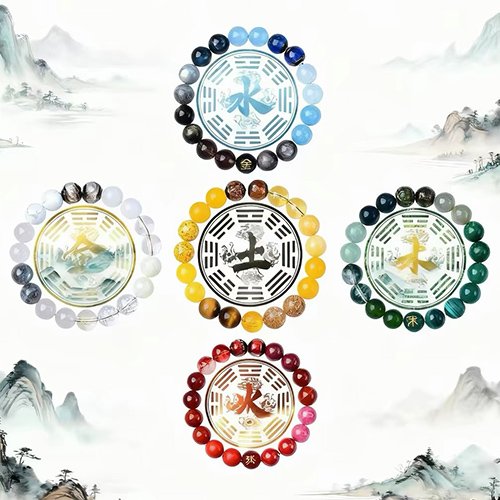
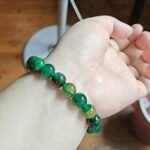
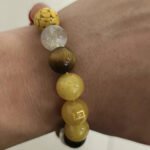
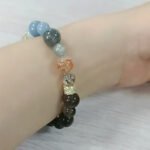
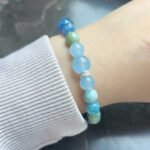
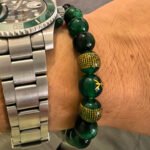
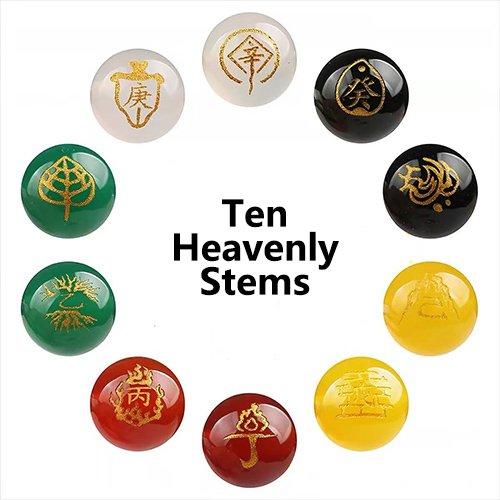
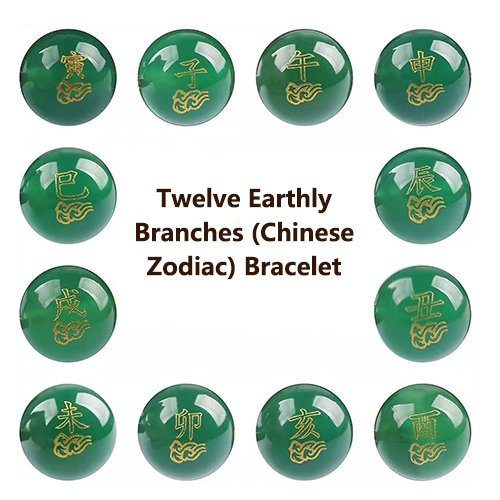
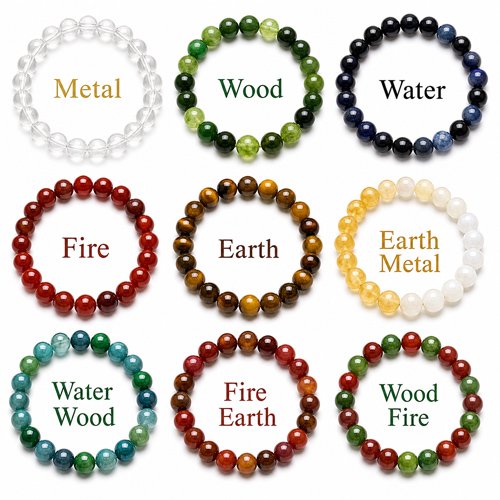
Crystal bracelets and symbolic items inspired by Metal, Wood, Water, Fire, and Earth concepts within Wu Xing philosophy
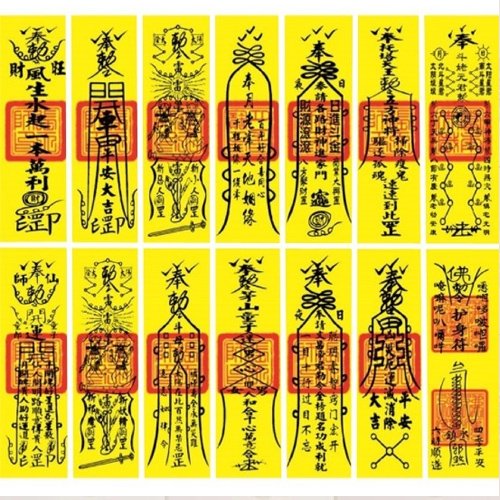
Chinese Talismans
Traditional symbols representing cultural meanings of protection, harmony, and blessings

FAQ
What is BaZi (Four Pillars of Destiny)?
BaZi, also known as Four Pillars of Destiny, is a traditional Chinese metaphysical system that analyzes a person’s birth information through four pillars: Year, Month, Day, and Hour.
By examining the interaction and balance of the Five Elements within the chart, BaZi provides a traditional perspective on an individual’s elemental composition and patterns.
What are the Five Elements in Chinese philosophy?
The Five Elements (Wu Xing) — Wood, Fire, Earth, Metal, and Water — are a fundamental concept in traditional Chinese philosophy.
They describe the dynamic relationships, cycles, and transformations found in nature and human life. Through the principles of generating (Sheng) and controlling (Ke), the Five Elements represent the pursuit of balance and harmony.
How is my Five Element profile determined?
Your Five Element profile is traditionally explored through your BaZi chart, which is created using your birth date and time.
Traditional analysis considers factors such as the strength of the Day Master, seasonal influences, the structure of the chart, and the distribution of the Five Elements to understand your elemental pattern.
How do I choose a Five Element bracelet?
A Five Element bracelet can be selected based on traditional Chinese Five Element principles. By understanding your personal elemental pattern through BaZi analysis, you can explore materials, colors, and symbolic designs that are associated with specific Five Elements.
These selections are inspired by traditional philosophy and cultural symbolism.
What is the connection between BaZi and Feng Shui?
BaZi and Feng Shui are both traditional Chinese systems based on the understanding of balance and harmony.
BaZi focuses on the relationship between an individual’s birth information and Five Element patterns, while Feng Shui examines the interaction between people and their surrounding environment.
What are Chinese talismans and what do they represent?
Chinese talismans (Fu 符) are traditional symbolic objects that have been used in Chinese cultural practices for centuries.
They are associated with meanings such as blessings, protection, harmony, and positive intentions, reflecting traditional beliefs and cultural heritage.

