
Chinese Talisman Meaning: Understanding the Symbols Behind Traditional Designs
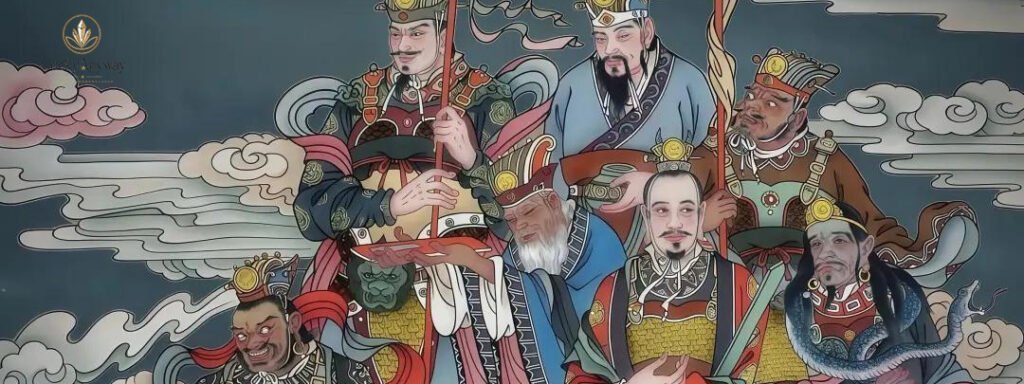
The Cultural Meaning Behind Traditional Chinese Talisman Designs
A Chinese talisman represents a combination of traditional writing, symbolic patterns, cultural beliefs, and historical practices. Its meaning is not limited to a single idea such as luck or protection. Different designs may express wishes for peace, harmony, prosperity, safety, or personal aspirations depending on their characters, structure, and cultural background. To understand Chinese talisman meaning, it is important to look at the relationship between Daoist traditions, folk customs, Chinese characters, colors, and symbolic art.
Many people who discover Chinese talismans for the first time ask: “What does this symbol actually represent?” The answer cannot be found only by looking at the surface design. A talisman carries layers of meaning formed through centuries of Chinese philosophy, religious traditions, folk practices, and artistic expression.
What Does a Chinese Talisman Symbolize?
In Chinese culture, symbols have always played an important role in expressing human wishes and values. A Chinese talisman, traditionally known as 符 (Fu), belongs to a wider symbolic tradition where written forms and visual designs communicate ideas beyond ordinary language.
Within traditional Daoist culture, talismans were connected with specific ritual systems, symbolic writing, and spiritual practices. Beyond religious contexts, many forms of talisman-inspired designs also became part of folk culture, where people used symbolic objects to express hopes for peace, prosperity, family harmony, and good fortune.
One important distinction is that traditional Chinese talisman culture is not simply about “getting something.” In classical thinking, symbols often represented a relationship between human intention, personal conduct, and harmony with the surrounding world.
This is why an experienced observer does not judge a Chinese talisman only by its appearance. The meaning comes from understanding why certain characters, patterns, and structures were chosen.
How Do Chinese Characters Shape Talisman Meaning?
Chinese characters are one of the most important foundations behind symbolic designs. Unlike alphabetic writing, Chinese characters often contain visual structures and historical meanings that influence how people understand them.
For example, the character 福 (Fu) is commonly associated with blessings and fortune. However, traditional understanding goes beyond a simple translation. It represents a broader wish for happiness, family well-being, harmony, and a fulfilling life.
Similarly, characters such as 安 (peace), 吉 (auspiciousness), and 寿 (longevity) became widely used in traditional decorations because they expressed values people hoped to preserve.
A common mistake among modern buyers is focusing only on the English translation of a Chinese character. A single translated word may not fully represent the cultural meaning behind it. The historical usage, pronunciation, visual form, and traditional associations all contribute to its significance.
At LuckyAnyway, we believe understanding the story behind a symbol is an important part of appreciating Chinese cultural objects. The meaning of a design should be understood through its tradition, not only through a short description.
What Types of Chinese Talismans Exist in Traditional Culture?
Chinese talisman traditions developed across different historical environments. Some are closely connected with Daoist practices, while others became part of wider folk customs. These categories should be understood separately because they developed from different cultural backgrounds.
Daoist talismans often involve specific symbolic writing methods and traditional ritual contexts. Folk talismans and auspicious designs may focus more on expressing wishes for daily life, such as peace, prosperity, family harmony, and celebrations.
The following table provides a cultural overview of common Chinese talisman categories and their traditional associations:
| Talisman Type | Chinese Term | Traditional Association | Common Symbols or Features | Cultural Background |
|---|---|---|---|---|
| Protection Talisman | 护符 / 护身符 | Traditional wishes for safety and peace | Protective scripts, symbolic patterns, blessing characters | Found in Daoist and folk traditions |
| Peace Talisman | 平安符 | Expressing wishes for harmony and peaceful living | 安 character, peaceful imagery, auspicious designs | Common in family and folk customs |
| Wealth Talisman | 招财符 / 财符 | Traditional wishes for prosperity and opportunity | Wealth characters, coins, ingot imagery | Connected with folk blessing culture |
| Harmony Talisman | 和合符 | Symbolizes harmony and relationship balance | Harmony characters and paired imagery | Appears in traditional relationship customs |
| Daoist Ritual Talisman | 道符 / 符箓 | Associated with Daoist symbolic writing traditions | Special script forms and traditional structures | Developed within Daoist historical practices |
How Are Daoist Talismans Different From Folk Symbolic Talismans?
One of the most important points when discussing Chinese talisman meaning is understanding that not all talismans come from the same tradition. Many modern explanations combine Daoist ritual talismans, folk blessing objects, and decorative cultural designs together, but historically they developed in different environments.
Daoist talismans (符箓) belong to a specific religious and philosophical tradition. They often include special forms of writing, symbolic structures, and historical ritual applications within Daoist communities. Their creation traditionally followed established practices rather than simply writing ordinary Chinese characters.
Examples often discussed in traditional Daoist culture include 五雷符 (Five Thunder Talisman), 镇宅符 (House Protection Talisman), and other specialized symbolic writings. These belong to a deeper historical system connected with Daoist cosmology and ritual culture.
At the same time, many symbols that people call “Chinese talismans” today are closer to folk cultural expressions. For example, a 平安符 (Peace Talisman) or 招财符 (Wealth Talisman) may represent traditional wishes for safety, prosperity, and a better life.
The difference matters because a knowledgeable buyer should understand what type of cultural object they are choosing. A decorative cultural product inspired by traditional symbols should be appreciated differently from a historical religious artifact.
What Do Common Chinese Talisman Symbols Represent?
Besides the writing itself, many Chinese talisman designs include additional symbols. These elements often come from centuries of artistic traditions and folk customs.
| Symbol or Design | Traditional Meaning | Historical Connection | Where It Appears | Buyer Understanding |
|---|---|---|---|---|
| 五雷符 (Five Thunder Talisman) | Associated with traditional Daoist symbolic systems | Connected with Daoist cosmology and ritual history | Daoist texts and historical ritual traditions | A specialized cultural symbol, not a general decoration |
| 镇宅符 (House Protection Talisman) | Traditional wishes for a peaceful home environment | Related to Chinese household customs | Home decorations and traditional practices | Represents cultural wishes for harmony |
| 祈福符 (Blessing Talisman) | Expresses wishes for blessings and positive intentions | Found in folk celebrations and customs | Festivals, gifts, cultural displays | A symbolic reminder of personal hopes |
| 平安符 (Peace Talisman) | Peace, safety, and family harmony | Common in Chinese folk traditions | Personal items and cultural gifts | Often chosen for emotional meaning |
How Do Colors Influence Chinese Talisman Meaning?
Colors are another important part of Chinese symbolic culture. In traditional design, colors are usually selected together with characters and patterns rather than used independently.
Red is one of the most recognizable colors in Chinese culture. It is commonly associated with celebration, happiness, vitality, and auspicious occasions. This is why red appears frequently in traditional festivals and symbolic decorations.
Gold is often connected with value, dignity, and prosperity because of its historical relationship with precious materials. Other colors may carry different associations depending on regional customs and design context.
A practical point for buyers is that color alone does not determine meaning. A complete Chinese talisman design is understood through the combination of characters, visual structure, cultural background, and intended symbolism.
How Should Modern Buyers Choose a Chinese Talisman?
Choosing a Chinese talisman today requires a balance between appreciation and understanding. The most meaningful choice is usually not the one with the strongest claim, but the one whose symbolism connects with the buyer’s personal values.
Before purchasing, consider:
- Whether the product explains its cultural background clearly.
- Whether the design represents a meaning that is personally important.
- Whether the seller respects traditional culture instead of making unrealistic promises.
- Whether the craftsmanship and materials match the purpose of collection or display.
At LuckyAnyway Chinese Talismans Collection, we focus on presenting traditional Chinese symbolic designs through cultural understanding, craftsmanship, and historical context. Each piece is created for people who appreciate the stories behind Chinese characters, traditional patterns, and symbolic artwork.
For someone exploring Chinese talismans for the first time, choosing a design with clear meaning is often more valuable than simply following popularity. A symbol connected with prosperity carries a different cultural message from one associated with peace, harmony, or personal wishes.
Our approach is based on respect for traditional culture. We share the background behind these symbols so customers can understand what they are purchasing and why the design has cultural significance.
Why Is Cultural Understanding Important Before Buying a Chinese Talisman?
The popularity of Chinese cultural products has grown worldwide, but popularity can sometimes create misunderstandings. Many online explanations reduce complex traditions into simple phrases, removing the historical background that gives these symbols their meaning.
A responsible cultural product presentation should explain where the symbol comes from, what traditions influenced it, and how people have understood it throughout history.
This is especially important for Chinese talismans because they exist at the intersection of art, language, folk customs, and traditional beliefs. Without cultural knowledge, a design may be seen only as decoration. With understanding, it becomes a meaningful expression of Chinese heritage.
At LuckyAnyway About Us, we share our philosophy of presenting Chinese traditional culture in a respectful and understandable way for people around the world who are interested in these traditions.
What Is the Best Way to Appreciate Chinese Talisman Meaning?
The best way to appreciate a Chinese talisman is to view it as a cultural symbol with history, not simply as an object with a single expected result.
Traditional Chinese culture has always valued the relationship between symbols and human intention. A meaningful object can remind people of their goals, values, and hopes while connecting them with cultural traditions passed down through generations.
Whether someone chooses a Chinese talisman as a collection piece, cultural decoration, personal reminder, or meaningful gift, understanding the symbolism behind it creates a deeper connection.
The character, color, pattern, and history all contribute to the final meaning. This combination is what makes Chinese talismans different from ordinary decorative objects.
Final Thoughts: The Meaning Behind the Symbol Matters
Chinese talisman meaning is built from many layers: ancient writing, Daoist traditions, folk customs, artistic expression, and the wishes people have carried throughout history.
From 平安符 representing wishes for peace, to 招财符 representing traditional hopes for prosperity, each design reflects a different cultural story. Understanding these differences allows people to appreciate Chinese talismans with greater respect and awareness.
For modern audiences, the value of a Chinese talisman comes from the connection between tradition and personal meaning. Learning the story behind the symbol is the first step toward truly appreciating the culture behind it.
Warm Reminder: LuckyAnyway Chinese Talismans are traditional folk calligraphy cultural and creative crafts intended for decoration, collection, and cultural appreciation. They do not represent guarantees of supernatural effects, financial results, health outcomes, or specific life changes.