
Chinese Talisman Culture: The Meaning of Traditional Symbols in Everyday Life
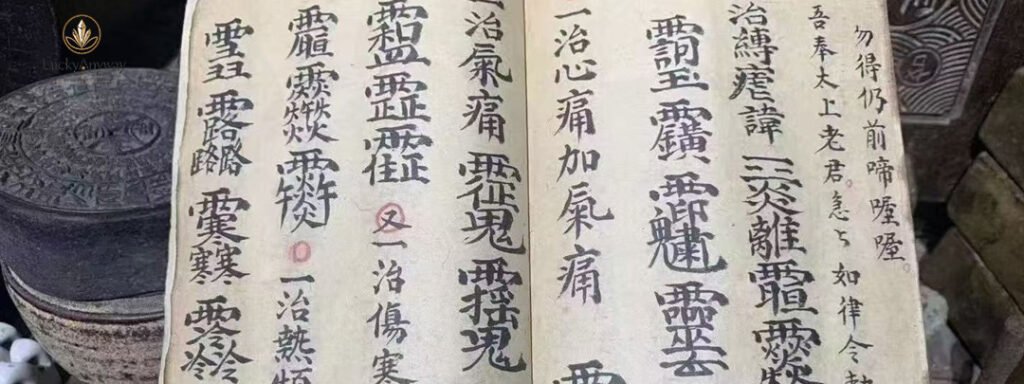
Understanding the Cultural Meaning Behind Chinese Traditional Symbols
Chinese talisman culture represents the way traditional Chinese society used symbols, writing, and artistic expressions to communicate hopes, values, and personal beliefs. Chinese talismans continued through generations because they were not only connected with spiritual traditions, but also became part of family customs, festivals, craftsmanship, and everyday cultural expressions. Their lasting meaning comes from the stories behind the symbols, the emotions attached to them, and the human desire to express wishes for harmony, prosperity, protection, and a better future.
For many people today, understanding Chinese talisman culture is not about searching for a mysterious object with guaranteed results. It is about discovering why certain symbols have remained meaningful for hundreds of years and how traditional ideas continue to influence modern cultural products.
At LuckyAnyway, we focus on presenting Chinese traditional symbols through their cultural background, craftsmanship, and historical meaning, allowing more people to appreciate the stories behind these designs.
Why Have Chinese Talismans Continued Through Generations?
The reason Chinese talismans have survived for centuries is closely connected with a fundamental part of human culture: the need to express hopes through symbols.
Before modern communication methods existed, people around the world used symbols to represent ideas that were difficult to express directly. In Chinese culture, characters, patterns, colors, and images gradually developed specific meanings through history.
A symbol such as 福 was not simply a written character. It became a cultural expression representing blessings, happiness, and the wish for a harmonious life. Similarly, symbols related to prosperity, longevity, and protection carried the values that families hoped to preserve.
This is an important point that is often overlooked. Traditional symbols remained popular not because people only valued the object itself, but because the symbol represented a connection between generations.
A grandmother passing a traditional item to her family, a person displaying a blessing decoration during a festival, or someone choosing a symbolic gift for an important occasion are all examples of how culture continues through personal experiences.
How Did Talismans Become Part of Everyday Chinese Life?
Chinese talismans did not exist only within formal religious environments. Over time, many symbolic designs became connected with ordinary life, appearing during festivals, family celebrations, personal milestones, and cultural activities.
For example, people traditionally used symbolic decorations during the Lunar New Year to express wishes for good fortune and harmony. Families displayed meaningful characters, paintings, and objects because these items represented positive hopes for the coming year.
In many cases, the cultural meaning was more important than the physical material. A paper design, a calligraphy piece, or a decorative object could all carry similar symbolic ideas when created around the same traditional theme.
This explains why Chinese talisman culture has many different forms today. Some people appreciate talismans as cultural artwork, some value their historical background, and others connect with them through personal beliefs and traditions.
| Cultural Area | Traditional Expression | Meaning Behind It | Historical Connection | Modern Appreciation |
|---|---|---|---|---|
| Family Traditions | Blessing characters and symbolic objects | Expressing wishes for family harmony | Passed through generations | Personal cultural connection |
| Festivals | Red decorations, characters, symbolic designs | Celebrating renewal and positive wishes | Connected with traditional customs | Cultural decoration and appreciation |
| Personal Beliefs | Talismans, symbolic items, traditional crafts | Personal reflection and emotional meaning | Influenced by Chinese philosophy and customs | Meaningful cultural products |
Why Do People Connect With Symbols During Important Moments?
Symbols often become especially meaningful during important moments because they help people express emotions that are difficult to describe with ordinary words.
A person may choose a symbolic gift when celebrating a new beginning, moving into a new home, starting a new career path, or wishing someone well. The value comes from the intention and cultural meaning attached to the symbol.
This tradition can be found in many cultures around the world. Different societies have their own symbolic languages, and Chinese talisman culture is one example of how people use visual expressions to connect with hopes and values.
However, an important distinction should be understood: traditional cultural symbols represent wishes, beliefs, and personal meaning. They should not be viewed as guarantees of specific life outcomes.
A knowledgeable appreciation of Chinese talismans respects both sides: the deep cultural heritage behind them and the personal meaning individuals choose to give them.
How Are Chinese Talismans Different From Simple Decorations?
At first glance, some Chinese talismans may appear similar to decorative artwork because they often include beautiful calligraphy, traditional colors, and carefully designed patterns. However, their cultural value comes from the meaning behind these elements rather than appearance alone.
A decoration is usually created mainly for visual enjoyment, while a traditional talisman carries layers of cultural information. The choice of characters, arrangement of symbols, writing style, and traditional references all contribute to its overall meaning.
For example, a piece featuring 福 may express a cultural wish for blessings, while a design including 八卦 reflects ideas connected with traditional Chinese philosophy and balance. The difference is not simply the image itself, but the historical story and cultural understanding behind it.
This is why choosing a Chinese talisman should begin with understanding. Many people make the mistake of focusing only on a product name without learning the meaning of the symbols used. A deeper appreciation often leads to a stronger personal connection.
| Aspect | Traditional Chinese Talisman | Ordinary Decoration | Main Difference | Buyer Consideration |
|---|---|---|---|---|
| Purpose | Carries cultural symbolism and traditional meanings | Mainly focuses on visual beauty | Meaning beyond appearance | Learn the story behind the design |
| Design Elements | Characters, patterns, traditional symbols | Decorative shapes and artistic styles | Cultural references | Choose symbols with personal meaning |
| Emotional Connection | Connected with traditions and personal wishes | Connected mainly with style preference | Symbolic meaning | Consider cultural background |
What Role Does Craftsmanship Play in Traditional Talisman Culture?
Craftsmanship is one of the most important reasons traditional Chinese talismans remain valued today. Behind many designs are elements of calligraphy, composition, material selection, and artistic balance.
Traditional Chinese culture has always placed importance on the relationship between writing and meaning. Calligraphy was not viewed only as handwriting; it was also considered an expression of discipline, character, and artistic appreciation.
Because of this background, the creation of symbolic designs requires attention to detail. The placement of characters, the use of traditional colors, and the overall composition influence how the design communicates its cultural message.
At LuckyAnyway, we value the connection between traditional symbolism and modern craftsmanship. Our purpose is to help people understand the cultural background behind each design instead of presenting symbols without explanation.
How Can Modern People Appreciate Chinese Talisman Culture?
Modern appreciation of Chinese talisman culture can take many forms. Some people collect traditional designs because they enjoy Chinese art and history. Others choose symbolic items because they represent personal hopes, memories, or cultural interests.
The most meaningful approach is to understand the tradition first and then choose a design that matches personal appreciation.
For international customers especially, learning the background of symbols creates a more respectful connection with Chinese culture. A talisman is not simply an unfamiliar object; it is a cultural expression developed through generations of human experience.
Those interested in exploring different traditional designs can view the LuckyAnyway Chinese Talismans Collection to learn more about symbolic themes, designs, and cultural meanings.
Why Does Chinese Talisman Culture Still Matter Today?
Chinese talisman culture continues because it represents something deeper than an object. It reflects the human desire to express hopes, preserve traditions, and maintain a connection with cultural identity.
From ancient communities to modern lifestyles, symbols have always played an important role in helping people communicate values and emotions.
The continued interest in Chinese talismans today shows that traditional culture can still find meaning in the modern world when it is presented with respect and understanding.
At LuckyAnyway, we believe traditional Chinese symbols deserve to be understood through their history, craftsmanship, and cultural background. Whether someone appreciates them as artwork, cultural objects, or personal reminders, the value begins with knowledge and respect.
If you have questions about Chinese talisman designs, cultural meanings, or choosing a suitable traditional item, you can contact LuckyAnyway for further information.
Warm Reminder: LuckyAnyway Chinese Talismans are traditional folk calligraphy cultural and creative crafts intended for decoration, collection, and cultural appreciation only. They do not guarantee supernatural effects, financial outcomes, health results, or specific life changes.