
The History of Chinese Talismans: From Ancient Traditions to Modern Culture
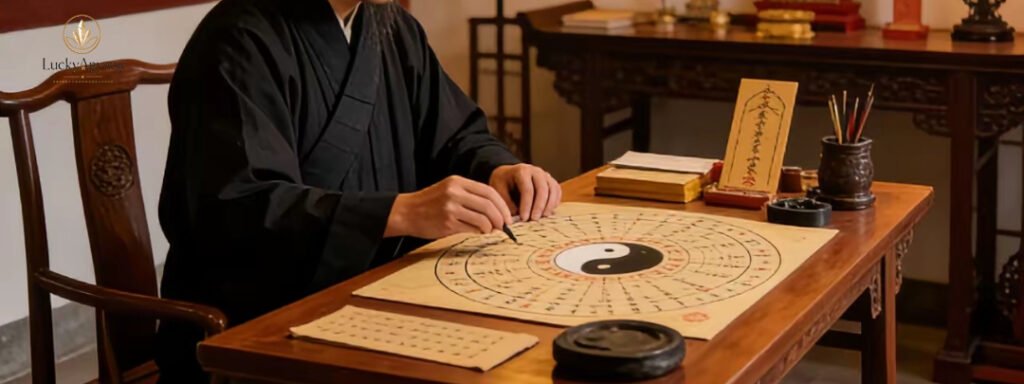
Tracing the Cultural Journey Behind Traditional Chinese Symbols
The history of Chinese talismans is a long cultural journey that developed through ancient symbolism, traditional writing, folk customs, and Daoist practices. Chinese talismans were not created as simple decorative objects; they developed from a broader Chinese tradition of using symbols to express wishes, values, respect for nature, and connections between human life and cultural beliefs. Over thousands of years, these symbolic designs evolved from early ritual expressions into forms that continue to appear in Chinese cultural products today.
Understanding Chinese talisman history requires looking beyond modern descriptions. A talisman is not only a piece of paper or a written symbol. It reflects how different generations used language, art, philosophy, and customs to express ideas about harmony, protection, blessings, and personal hopes.
Where Did Chinese Talisman Traditions Begin?
The origins of Chinese talismans can be connected with ancient Chinese symbolic culture, where humans used marks, patterns, written signs, and ritual objects to communicate meaning.
Before the development of fully structured talisman systems, ancient Chinese society already placed great importance on symbols. Early inscriptions, ceremonial objects, and artistic patterns were often created not only for practical purposes but also to represent relationships between humans, nature, ancestors, and society.
This symbolic thinking became an important foundation for later Chinese traditions. Chinese culture developed the idea that written forms and images could carry deeper meanings beyond their physical appearance.
For example, ancient characters were not merely tools for recording information. Their shapes, sounds, and associations gradually became connected with cultural values. This explains why certain characters later appeared frequently in blessings, decorations, and symbolic objects.
A common misunderstanding today is assuming Chinese talismans suddenly appeared from one specific tradition. In reality, their development was gradual, influenced by many parts of Chinese civilization.
How Did Ancient Chinese Symbolism Influence Talisman Development?
Ancient Chinese society was deeply connected with symbolic expression. From bronze inscriptions to traditional artworks, symbols were used to preserve cultural memory and communicate important ideas.
Concepts such as harmony between humans and nature, respect for ancestors, and the search for balance influenced many areas of Chinese culture. These ideas later became part of different symbolic systems, including talisman traditions.
The development of Chinese writing also played an important role. Characters were not viewed only as language but also as visual structures containing historical meaning. This cultural attitude helped create a foundation where written symbols became connected with wishes and traditional practices.
When studying Chinese talisman history, it is important to understand that symbols often reflected the values of the society that created them. They represented hopes for stability, harmony, family continuity, and respect for traditional order.
When Did Daoist Talisman Traditions Develop?
The development of Daoist talisman traditions represents an important stage in Chinese talisman history. Within Daoist culture, talismans became part of a more structured symbolic system connected with religious philosophy, ritual practices, and traditional cosmology.
Daoist talismans, commonly known as 符箓 (Fu Lu), involved specific forms of symbolic writing and traditional methods. They were different from ordinary Chinese characters because their structures followed particular cultural and religious conventions.
Historically, Daoist practitioners used talismanic writings within religious contexts. These traditions developed alongside other aspects of Daoist thought, including ideas related to harmony, natural principles, and the relationship between human beings and the universe.
However, it is important to separate historical understanding from simplified modern interpretations. Traditional Daoist talismans belong to a specific cultural and religious environment. They should not be reduced to simple “lucky symbols” without considering their original background.
What Are the Major Stages in Chinese Talisman History?
The history of Chinese talismans can be understood through several major stages. Each period added new meanings, artistic styles, and cultural interpretations.
| Historical Period | Cultural Background | Talisman Development | Common Symbolic Elements | Modern Understanding |
|---|---|---|---|---|
| Ancient China | Early symbolic culture, ritual objects, and written expressions | Formation of symbolic thinking and meaningful signs | Early characters, patterns, ceremonial symbols | Foundation of later Chinese symbolic traditions |
| Early Imperial Periods | Growth of Chinese philosophy and cultural systems | More organized symbolic practices appeared | Auspicious characters and traditional motifs | Connected with Chinese cultural identity |
| Daoist Development | Growth of Daoist religious traditions | Formation of structured Fu Lu traditions | Special symbolic writing and ritual forms | Important part of Chinese religious history |
How Did Chinese Talismans Become Part of Folk Culture?
Although Daoist traditions played an important role in the development of Chinese talismans, their influence gradually extended beyond religious environments and became part of everyday folk culture.
For ordinary families, symbolic objects often represented hopes for a better life. People displayed characters, paintings, decorations, and traditional items during festivals or important occasions to express wishes for peace, prosperity, health, and family harmony.
This process created a broader cultural understanding of talismans. Not every symbolic object used by families belonged to a formal religious system. Some became expressions of local customs, regional traditions, and personal beliefs.
For example, a 平安符 (Peace Talisman) may be appreciated because it represents a traditional wish for safety. A 招财符 (Wealth Talisman) may reflect cultural hopes related to prosperity and opportunity. The meaning comes from the cultural idea behind the symbol rather than a simple promise of a result.
This distinction is important for modern audiences because Chinese cultural objects often carry multiple layers. A design may have historical roots, folk meaning, artistic value, and personal emotional significance at the same time.
How Did Different Chinese Talisman Traditions Develop Over Time?
Chinese talisman history is not a single straight line. Different regions, communities, and traditions contributed to how talismans were created and understood.
Some traditions focused on symbolic writing, while others emphasized decorative patterns, auspicious characters, or cultural storytelling. Over time, these different expressions influenced each other and created the diverse forms seen today.
| Tradition | Historical Role | Typical Features | Cultural Meaning | Modern Appreciation |
|---|---|---|---|---|
| Daoist Fu Lu Tradition | Developed within Daoist religious history | Symbolic writing, traditional structures, ritual context | Represents historical Daoist practices and beliefs | Studied as part of Chinese cultural heritage |
| Folk Blessing Traditions | Spread through family and community customs | Auspicious characters, decorations, festival objects | Expresses wishes for a better life | Popular among cultural collectors |
| Chinese Artistic Tradition | Developed through calligraphy and visual arts | Brushwork, colors, patterns, craftsmanship | Shows the beauty of Chinese symbolism | Viewed as cultural artwork |
How Are Chinese Talismans Preserved in Modern Culture?
Today, Chinese talismans continue to appear in many forms, including cultural collections, traditional artwork, festival decorations, and creative products inspired by historical designs.
Modern appreciation does not require someone to follow every traditional practice. Many people are interested in talismans because they value Chinese history, calligraphy, symbolism, and craftsmanship.
This is similar to how people appreciate other cultural objects around the world. A piece of traditional art can carry historical meaning even when displayed outside its original environment.
For international audiences, learning about Chinese talisman history provides a more respectful way to understand these objects. Instead of viewing them only as mysterious symbols, people can appreciate the centuries of cultural development behind them.
At LuckyAnyway, our purpose is to help people discover Chinese traditional culture through meaningful designs and carefully presented cultural products.
What Should People Consider When Exploring Chinese Talismans Today?
When choosing a Chinese talisman today, cultural understanding should come before expectation. A thoughtful buyer looks at the history, symbolism, craftsmanship, and meaning behind the design.
Important considerations include:
- Understanding whether the design comes from Daoist tradition, folk culture, or modern artistic interpretation.
- Learning the meaning of the characters and symbols instead of relying only on translated names.
- Choosing products that explain their cultural background clearly.
- Appreciating the object as a connection to tradition, history, and personal meaning.
Those who want to explore different traditional designs can visit the LuckyAnyway Chinese Talismans Collection to learn about different symbolic themes and cultural backgrounds.
The Continuing Story of Chinese Talismans
The history of Chinese talismans reflects the development of Chinese civilization itself. From ancient symbolic expressions to Daoist traditions, from family customs to modern cultural products, these designs have continued to evolve while preserving their connection with traditional ideas.
Their lasting appeal comes not only from the symbols themselves but from the stories, values, and human wishes they represent.
For anyone interested in Chinese culture, understanding talisman history offers a deeper perspective. It reveals how writing, art, philosophy, and daily life became connected through symbolic expression.
If you have questions about traditional Chinese talisman designs, cultural background, or product information, you can contact LuckyAnyway for further discussion.
Warm Reminder: LuckyAnyway Chinese Talismans are traditional folk calligraphy cultural and creative crafts intended for decoration, collection, and cultural appreciation. They do not represent guarantees of supernatural effects, financial results, health outcomes, or specific life changes.