
Types of Chinese Talismans: Different Symbols, Designs and Cultural Meanings
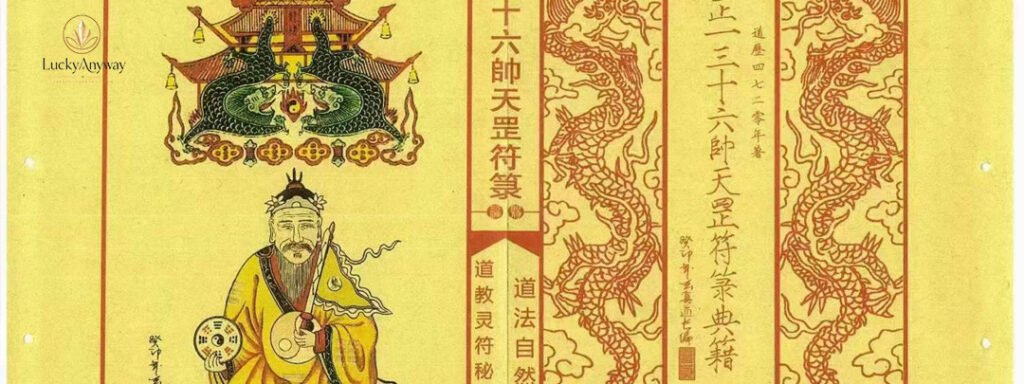
Exploring Traditional Categories Behind Chinese Symbolic Designs
Chinese talismans can be divided into several traditional categories based on their symbolic meanings, including fortune, protection, harmony, progress, and blessings. These categories developed through centuries of Chinese customs, philosophy, calligraphy, and folk traditions. Different designs communicate different wishes, which is why a wealth symbol is not the same as a protection symbol, even though both may be considered meaningful cultural objects. Understanding the types of Chinese talismans helps people appreciate the stories behind each design and choose symbols that match their personal interests, cultural appreciation, or traditional values.
At LuckyAnyway, we believe choosing a traditional symbol begins with understanding its background. A Chinese talisman is not simply selected by appearance; its characters, patterns, and cultural references all contribute to the meaning people connect with.
What Are the Main Types of Chinese Talismans?
The different types of Chinese talismans are mainly connected with traditional wishes and symbolic themes. Throughout Chinese history, people used written characters, artistic patterns, and meaningful objects to express hopes for a better life.
A common misunderstanding is that every talisman carries the same meaning. In traditional culture, symbols are more specific. The meaning depends on the characters, imagery, and the cultural context behind the design.
For example, a symbol related to wealth expresses wishes connected with prosperity and achievement, while a protection-related design reflects traditional ideas of harmony, balance, and safety. These differences are important when selecting a Chinese talisman for personal appreciation or as a meaningful gift.
| Talisman Category | Symbolic Meaning | Common Symbols | Traditional Cultural Theme | Suitable Appreciation |
|---|---|---|---|---|
| Fortune Symbols | Prosperity, success, favorable wishes | 福, 禄, Chinese coins | Traditional hopes for achievement and abundance | People interested in prosperity symbolism |
| Protection Symbols | Harmony, balance, traditional protection ideas | 八卦, guardian patterns | Traditional concepts of maintaining harmony | Those interested in protective symbolism |
| Harmony Symbols | Peace, relationships, emotional balance | 如意, 祥云, balanced patterns | Traditional wishes for harmony in life | Personal gifts and cultural collections |
| Progress Symbols | Growth, improvement, personal development | Dragon, rising patterns, auspicious imagery | Traditional wishes for advancement | New beginnings and personal goals |
| Blessing Symbols | Good wishes and positive intentions | 福, 寿, 吉祥 patterns | Expressions of goodwill and tradition | Cultural gifts and personal appreciation |
What Are Fortune Chinese Talismans and What Do They Represent?
Fortune-related Chinese talismans are among the most recognized traditional designs because prosperity has always been an important theme in Chinese culture. However, the traditional meaning of fortune is broader than simply financial success.
In classical Chinese thinking, fortune can include opportunities, personal achievements, favorable circumstances, and a harmonious life. This is why symbols such as 福 and 禄 have remained popular for generations.
The character 福 represents blessings and good fortune, while 禄 traditionally relates to recognition, achievement, and success. Chinese coins are also commonly associated with prosperity because of their historical connection with value and exchange.
When people choose a fortune-themed talisman today, many are attracted not only by the symbol itself but also by the cultural message behind it: a reminder of ambition, gratitude, and positive wishes.
For those interested in traditional fortune symbolism, LuckyAnyway Chinese Talismans Collection includes designs inspired by different cultural themes, allowing customers to explore the meaning behind each style.
How Do Protection Symbols Reflect Traditional Chinese Beliefs?
Protection-related Chinese talismans represent one of the oldest symbolic categories. Their cultural background comes from traditional ideas about maintaining harmony between people, surroundings, and life circumstances.
Symbols such as 八卦 and other traditional patterns are often connected with concepts of balance and order. Their importance comes from Chinese philosophical traditions rather than from simple decoration.
A practical point many buyers overlook is that protection symbolism has different meanings in different contexts. Some designs focus on harmony, some represent courage, and others express wishes for peace. Understanding the difference helps people choose more thoughtfully.
How Are Protection and Obstacle Removal Talismans Different?
Protection symbols and obstacle removal symbols are often discussed together, but traditionally they express different cultural ideas. Protection designs are generally connected with maintaining harmony and avoiding disturbances, while obstacle removal themes focus more on overcoming difficulties and moving forward.
In Chinese folk traditions, people have long used symbolic objects during important life stages such as starting a new journey, entering a new environment, or facing uncertain situations. These objects represented personal wishes for stability and confidence.
This distinction is important when choosing a Chinese talisman. A person looking for a symbol connected with peace and balance may prefer a protection theme, while someone interested in traditional ideas about overcoming challenges may connect more with an obstacle removal design.
At LuckyAnyway, our Chinese Talisman Collection presents different traditional themes separately, allowing customers to understand the cultural meaning before selecting a design.
| Product Theme | Traditional Focus | Symbolic Meaning | Suitable Situations | Cultural Understanding |
|---|---|---|---|---|
| Protection Talisman | Harmony and traditional protective symbolism | Peace, balance, and reassurance | Personal collections, gifts, cultural appreciation | Represents traditional wishes rather than guaranteed results |
| Obstacle Removal Talisman | Moving beyond difficulties in traditional symbolism | Progress, confidence, and overcoming challenges | New stages, personal goals, life transitions | Connected with cultural encouragement |
What Do Good Fortune Talismans Represent in Chinese Culture?
Good fortune symbols are among the most familiar elements in Chinese culture. They appear in festivals, home decorations, gifts, calligraphy, and traditional artwork because they express universal wishes for happiness and favorable experiences.
The meaning of good fortune is not limited to material success. Traditional Chinese culture often views fortune as a combination of opportunity, relationships, personal well-being, and harmony with one’s surroundings.
Symbols such as 福, 如意, and 祥云 frequently appear in good fortune designs. 如意, meaning “as wished” or “according to one’s wishes,” represents the idea of smooth progress and satisfaction. 祥云, or auspicious clouds, often symbolize favorable conditions and blessings.
A Good Fortune Talisman is therefore appreciated by many people as a cultural reminder of positive intentions and traditional values.
How Are Harmony and Blessing Symbols Used in Traditional Culture?
Harmony and blessing symbols focus on relationships, emotional connection, and the wish for a peaceful life. These themes have always been important in Chinese culture because family, community, and balance are considered essential parts of a meaningful life.
Symbols related to blessings often appear during weddings, festivals, birthdays, and important celebrations. They are commonly chosen as gifts because they communicate goodwill without requiring complicated words.
For example, the character 寿 represents longevity and is traditionally associated with birthday celebrations. The character 福 expresses blessings and happiness. These symbols remain popular because their meanings are easy to understand across generations.
Modern customers who appreciate Chinese culture often choose these designs because they represent emotional connections, family values, and traditional aesthetics.
How Should You Choose Between Different Types of Chinese Talismans?
Choosing a Chinese talisman should begin with understanding the cultural theme rather than searching for the “strongest” design. Traditional symbolism is not about comparing which object is more powerful; it is about finding a design that matches personal meaning and appreciation.
A useful approach is to consider what idea you want the symbol to represent. Some people prefer prosperity themes, while others are drawn to protection, harmony, or personal growth symbolism.
| Personal Interest | Recommended Theme | Common Symbols | Selection Point | Traditional View |
|---|---|---|---|---|
| Career and Prosperity | Fortune Theme | 福, 禄, Coins | Choose meaningful prosperity symbols | Represents wishes for success |
| Peace and Balance | Protection Theme | 八卦, Traditional Patterns | Understand the cultural background | Represents harmony and stability |
| Positive Beginnings | Good Fortune Theme | 如意, 祥云, 福 | Select symbols with personal connection | Represents traditional blessings |
Why Understanding Symbol Meanings Matters Before Choosing a Chinese Talisman
One of the most common mistakes when purchasing a Chinese talisman is choosing only by appearance. A beautiful design may attract attention, but traditional culture places importance on the meaning behind the symbol, the story it represents, and the intention connected with it.
For example, two talismans may both contain red elements, but they may represent completely different cultural themes. One may focus on blessings and celebration, while another may express protection or overcoming difficulties. Learning these differences helps buyers make a more thoughtful choice.
This is also why traditional Chinese symbolic objects should be understood within their cultural background rather than viewed as simple decorative items. The characters, patterns, and artistic details all carry messages that have developed over many generations.
At LuckyAnyway, we focus on presenting these traditional meanings clearly, allowing people from different cultural backgrounds to understand the stories behind Chinese symbols and appreciate the craftsmanship involved.
How Do Traditional Chinese Talismans Continue in Modern Life?
Although Chinese talismans have ancient origins, their cultural presence continues today. Many people still encounter these symbols during festivals, family celebrations, home decoration, and personal collections.
The reason these symbols remain meaningful is not only because of tradition, but because they express ideas that are still relevant: hope, gratitude, encouragement, and connection with cultural heritage.
Modern appreciation of Chinese talismans has also expanded beyond their original environment. People around the world are becoming interested in Chinese calligraphy, traditional art, philosophy, and symbolic designs.
For international customers, a Chinese talisman can represent an opportunity to learn about Chinese culture through a physical object. The value often comes from understanding the story behind the design rather than simply owning the item.
How Does LuckyAnyway Present Traditional Chinese Talisman Culture?
LuckyAnyway approaches Chinese talismans from the perspective of cultural appreciation and traditional craftsmanship. Each design is connected with symbolic meanings that have existed within Chinese customs for generations.
Our goal is not to present talismans as mysterious objects without explanation. Instead, we believe people should understand the cultural background, symbolism, and traditional ideas behind each piece before making a choice.
Whether someone is interested in fortune symbolism, protective designs, blessing traditions, or Chinese artistic culture, understanding the meaning behind a symbol creates a deeper connection with the object.
Through our LuckyAnyway website, we share traditional Chinese cultural knowledge while offering carefully selected symbolic designs for people who appreciate meaningful objects.
A Practical Guide Before Purchasing a Chinese Talisman
Before selecting a Chinese talisman, consider three simple questions:
- What traditional meaning does this symbol represent?
- Does this design connect with my personal intention or cultural interest?
- Do I understand the craftsmanship and background behind the item?
A thoughtful purchase is usually based on connection and understanding rather than searching for a single “best” symbol. Different people may appreciate different meanings, and there is no universal design suitable for everyone.
| Product Name | Traditional Theme | Symbolic Focus | Suitable For | Selection Reminder |
|---|---|---|---|---|
| Wealth Chinese Talisman | Fortune and prosperity symbolism | Traditional wishes for achievement and abundance | People interested in prosperity culture | Choose based on cultural meaning |
| Protection Talisman | Protection and harmony symbolism | Balance and traditional reassurance | Collectors and cultural enthusiasts | Understand the design background |
| Obstacle Removal Talisman | Progress and overcoming challenges | Traditional encouragement for moving forward | Those entering new stages of life | Symbolic meaning differs from guarantees |
| Good Fortune Talisman | Blessings and positive wishes | 福, 如意, 祥云 symbolism | Gift giving and personal collections | Appreciate the cultural story |
| Disperse Negative Talisman | Traditional ideas of clearing difficulties | Renewal and positive transition symbolism | People interested in traditional symbolic practices | View as cultural expression |
Final Thoughts on Chinese Talisman Types and Their Meanings
The different types of Chinese talismans reflect a wide range of traditional hopes, from prosperity and protection to harmony and blessings. Their lasting popularity comes from their ability to carry cultural memories and personal meanings across generations.
For those interested in Chinese traditions, selecting a talisman is not only about the design itself. It is also about understanding the history, symbolism, and craftsmanship that make each piece unique.
If you have questions about the cultural meaning, design background, or selection of a Chinese talisman, you can contact LuckyAnyway for further information.
Warm Reminder:
This product is a traditional folk calligraphy cultural and creative craft, intended for decoration, collection and cultural display only. It does not have any religious attributes or supernatural effects, and we do not promise any superstitious effects.