
Chinese Talisman vs Amulet: What Is the Difference?
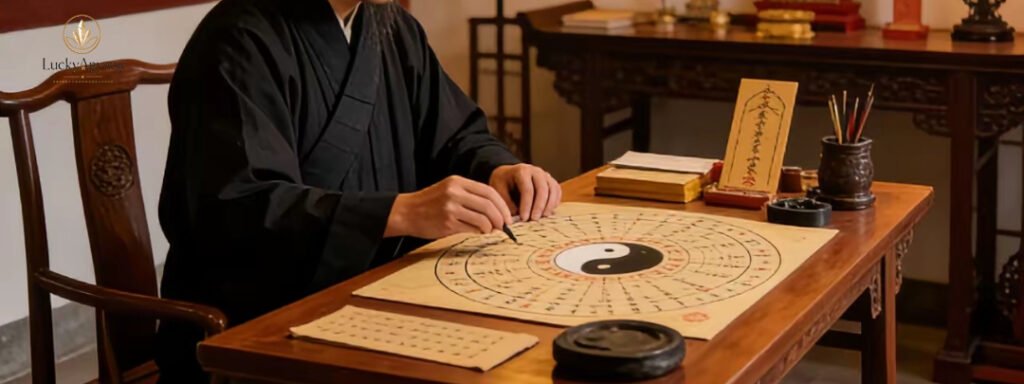
Understanding Two Traditional Symbolic Objects Across Different Cultures
Chinese talismans and Western amulets share some similarities because both are traditional symbolic objects connected with personal beliefs, cultural practices, and human wishes. However, they developed from different historical backgrounds. A Chinese talisman is closely connected with Chinese characters, traditional philosophy, folk customs, and symbolic systems influenced by Daoist culture. A Western amulet often develops from religious traditions, regional customs, or historical beliefs from Europe and other cultures. Understanding the difference helps people appreciate these objects as cultural expressions rather than simply comparing them as the same type of item.
At LuckyAnyway, we view Chinese talismans as traditional cultural objects that carry stories, craftsmanship, and symbolic meanings passed through generations. Learning the background behind each design allows people to make a more meaningful choice when exploring Chinese traditions.
What Is the Main Difference Between a Chinese Talisman and an Amulet?
The main difference between a Chinese talisman and a Western amulet comes from their cultural foundations. Although both may be associated with protection, blessings, or personal meaning, the symbols and ideas behind them are different.
A Chinese talisman is often recognized by its use of written characters, symbolic patterns, traditional calligraphy, and cultural references. Many designs are connected with concepts such as harmony, fortune, balance, and auspicious wishes.
A Western amulet is generally understood through the historical background of Western religions, folklore, and regional traditions. Examples include crosses, saint-related objects, engraved stones, or other symbolic items connected with specific cultural beliefs.
The important point is that these objects should not be judged using only one cultural standard. A symbol gains meaning from the tradition that created it.
| Aspect | Chinese Talisman | Western Amulet | Cultural Background | Modern Appreciation |
|---|---|---|---|---|
| Historical Origin | Developed through Chinese folk customs, symbolic traditions, and classical cultural practices | Developed through Western religious, regional, and historical traditions | Different civilizations created different symbolic languages | Represents cultural identity and personal connection |
| Symbol System | Chinese characters, calligraphy, traditional patterns, auspicious symbols | Religious symbols, natural objects, engraved designs, historical icons | Symbols reflect different philosophies and values | People appreciate the meaning behind the design |
| Common Themes | Fortune, harmony, blessings, traditional balance | Protection, faith, remembrance, personal symbolism | Human hopes are expressed differently across cultures | Used as meaningful cultural objects |
| Design Features | Red paper, Chinese calligraphy, symbolic drawings | Jewelry, stones, metal objects, religious imagery | Art style reflects cultural history | Collected for craftsmanship and meaning |
Why Do Chinese Talismans Have Different Meanings From Western Amulets?
One of the biggest differences between Chinese talismans and Western amulets is the way symbols communicate meaning. Chinese culture has traditionally placed strong importance on written characters, pronunciation, visual balance, and symbolic relationships.
For example, the character 福 represents blessings and good fortune. The character 寿 represents longevity. 如意 expresses the idea of wishes being fulfilled. These meanings come from Chinese language and cultural history, making the written symbol itself an important part of the design.
Traditional Chinese talismans may also include patterns related to natural elements, animals, or philosophical ideas. Dragons, phoenixes, clouds, and Bagua symbols all have their own cultural backgrounds.
Western amulets usually communicate through a different symbolic system. A cross, a saint medal, or a protective stone may carry meanings shaped by Christianity, European folklore, or regional traditions.
This difference explains why translating Chinese talisman directly into “lucky charm” can sometimes lose important cultural details. The object is not only about the item itself but also the tradition and ideas behind it.
Are Chinese Talismans and Western Amulets Used for Similar Purposes?
Although Chinese talismans and Western amulets come from different cultural backgrounds, they share some similarities. Both developed from human wishes for connection, encouragement, remembrance, and a sense of meaning during important moments in life.
Throughout history, people in different societies have created symbolic objects to represent their hopes. These objects often appear during life transitions, celebrations, journeys, or periods when people seek emotional support and cultural connection.
The similarity does not mean they are identical. The purpose of a symbol depends on the culture that created it. A Chinese talisman carries meanings formed through Chinese language, philosophy, and traditions, while an amulet reflects the historical environment of another culture.
From a cultural perspective, both represent a common human desire: using meaningful symbols to express wishes that are difficult to describe with ordinary words.
| Similar Aspect | Chinese Talisman | Western Amulet | Shared Human Meaning | Modern Interpretation |
|---|---|---|---|---|
| Personal Connection | Connected with traditional wishes and cultural symbolism | Connected with personal beliefs and heritage | People value meaningful objects | Symbolic and emotional appreciation |
| Cultural Identity | Represents Chinese traditions and artistic expressions | Represents Western historical traditions | Symbols preserve cultural memories | Learning through traditional objects |
| Gift Giving | Often associated with blessings and good wishes | Often associated with personal meaning and remembrance | Objects can express feelings | Meaningful cultural gifts |
How Does Chinese Philosophy Influence the Meaning of Talismans?
To understand Chinese talismans, it is helpful to understand the broader cultural ideas that influenced traditional Chinese thinking. Concepts such as harmony, balance, Yin and Yang, and the relationship between people and their environment have played an important role in Chinese philosophy.
Within traditional Chinese culture, symbols are often viewed as expressions of wishes and principles rather than simple decorations. The arrangement of characters, colors, and patterns can reflect ideas about balance and harmony.
Some Chinese talisman designs are also connected with Daoist cultural traditions, where symbols, writing, and ritual practices developed as part of a broader historical system. However, different periods and regions used symbols in different ways, so it is important not to reduce all talismans to one single explanation.
This is one reason why understanding the background of a design matters. A symbol that appears simple may contain layers of cultural meaning developed over hundreds of years.
Should You Choose a Chinese Talisman or a Western Amulet?
The choice between a Chinese talisman and a Western amulet usually depends on personal interest, cultural connection, and the meaning someone wants to explore.
A person interested in Chinese history, calligraphy, philosophy, or traditional symbolism may naturally connect with Chinese talismans. Someone with a connection to Western religious history or European traditions may prefer an amulet from that cultural background.
The most important consideration is understanding what the symbol represents. Choosing only because an item looks attractive may overlook the deeper story behind it.
| Your Interest | Possible Choice | Reason | What To Learn | Selection Reminder |
|---|---|---|---|---|
| Chinese culture and traditional art | Chinese Talisman | Connects with Chinese symbols and history | Characters, patterns, and cultural meanings | Choose based on understanding |
| Western heritage and traditions | Western Amulet | Reflects Western cultural background | Historical and symbolic origins | Respect the original tradition |
Why Are Chinese Talismans Becoming Popular Worldwide?
In recent years, more people outside China have become interested in Chinese traditional culture, including calligraphy, philosophy, Feng Shui concepts, the Five Elements, and symbolic art. This interest is not only about seeking something mysterious, but also about discovering different ways that cultures express hope, balance, and personal meaning.
For many international customers, a Chinese talisman represents a connection to a culture with thousands of years of history. The handwritten style, traditional colors, and symbolic patterns make each piece more than a decorative object. It becomes a cultural item that carries a story.
However, one common misunderstanding is treating Chinese talismans as simple “lucky charms” without learning their background. Traditional Chinese symbols are connected with language, history, and philosophy. Understanding these elements creates a deeper appreciation of the object itself.
At LuckyAnyway, we focus on presenting Chinese traditional symbolic objects through cultural understanding and craftsmanship. Our purpose is to help people explore the meaning behind these designs while respecting their historical roots.
How Should You Understand Chinese Talismans Before Purchasing One?
When choosing a Chinese talisman, the most important step is understanding the meaning behind the design rather than only selecting based on appearance.
Different symbols represent different cultural wishes. For example, some designs focus on fortune and prosperity, while others represent harmony, protection, progress, or general blessings. A buyer who understands these differences can choose an item that has a more personal connection.
A professional approach is to ask three questions before making a choice:
- What traditional meaning does this symbol represent?
- Is the design connected with a specific Chinese cultural background?
- Am I choosing this item because I understand its meaning?
This approach is different from simply searching for the “strongest” symbol. Traditional culture is not about comparing objects as if they were products with different levels of power. The deeper value comes from knowledge, respect, and personal connection.
For customers who want to explore different designs, LuckyAnyway provides a dedicated collection of Chinese talismans based on traditional symbolic themes. Each design focuses on cultural meaning, visual details, and the story behind the symbol.
What Makes Chinese Talismans Different From Modern Spiritual Products?
One important difference between traditional Chinese talismans and many modern spiritual products is the connection to historical culture. Chinese talismans developed within a specific cultural environment involving language, philosophy, folk customs, and artistic traditions.
Today, some products use traditional words and symbols only as decoration, without explaining their background. While decorative appreciation is understandable, a culturally responsible approach should also recognize where these symbols come from.
A traditional Chinese talisman is valuable because it reflects human creativity and cultural memory. The calligraphy style, symbolic arrangement, and visual elements represent generations of artistic expression.
This is also why LuckyAnyway emphasizes cultural storytelling alongside product presentation. Through our About Us page, we share our approach to traditional Chinese-inspired products and the importance of respecting cultural origins.
How Can You Appreciate Chinese Talismans as Cultural Objects?
The best way to appreciate a Chinese talisman is to view it from both an artistic and cultural perspective. The design, writing style, colors, and symbols all contribute to its meaning.
Collectors may appreciate the craftsmanship, while people interested in Chinese culture may enjoy learning the stories behind different symbols. Others may keep these objects as personal reminders of their connection with traditional values.
A Chinese talisman can represent many things at the same time: a piece of cultural art, a traditional symbol, and a meaningful personal item.
| Appreciation Aspect | What To Explore | Cultural Value | Common Mistake | Better Approach |
|---|---|---|---|---|
| Symbols | Characters and traditional patterns | Shows cultural meanings | Choosing only by appearance | Learn the background first |
| Craftsmanship | Calligraphy and design details | Reflects traditional artistry | Ignoring the creative process | Value the cultural work |
Final Thoughts: Chinese Talisman and Amulet Represent Different Cultural Stories
Chinese talismans and Western amulets are similar in one important way: both show how human beings use symbols to express hopes, memories, and cultural beliefs. However, their meanings come from different historical paths.
A Chinese talisman should be understood through Chinese language, traditional symbolism, and cultural background. It is not simply a translation of the Western idea of an amulet, but a unique expression of Chinese heritage.
For those interested in exploring Chinese symbolic traditions, learning the story behind each design is the first step toward a meaningful experience. Customers who have questions about product details or cultural meanings can also contact us for further information.
Warm Reminder: This product is a traditional folk calligraphy cultural and creative craft, intended for decoration, collection and cultural display only. It does not have any religious attributes or supernatural effects, and we do not promise any superstitious effects.