
What Is a BaZi Bracelet?
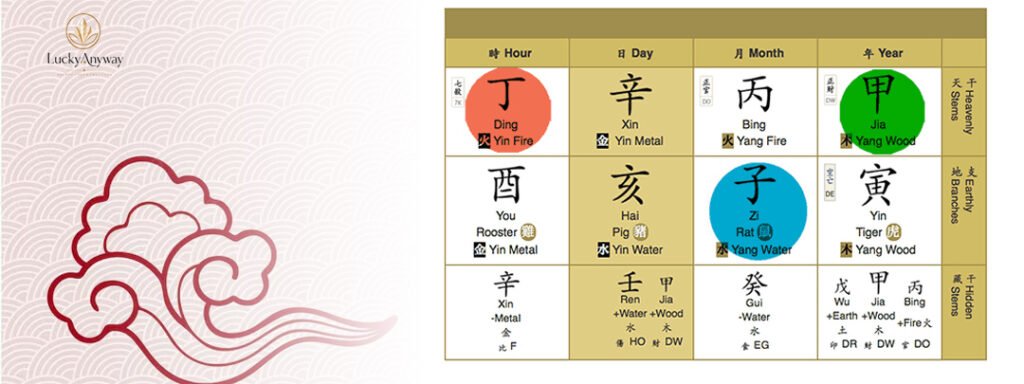
A BaZi bracelet is a personalized bracelet selected according to the principles of Chinese BaZi, or Four Pillars of Destiny, and the Five Elements. Rather than choosing crystals simply by color, birth-year animal, or a supposedly missing element, a properly considered BaZi bracelet begins with the person’s birth chart and examines which elemental influences may be useful within the overall pattern. Materials, colors, and combinations are then chosen with a specific traditional rationale. This is what distinguishes personalized BaZi jewelry from a generic crystal bracelet: the selection follows an individual chart, not a one-size-fits-all formula.
What Makes a BaZi Bracelet Different from an Ordinary Crystal Bracelet?
The difference lies in the method of selection. An ordinary crystal bracelet may be chosen for its appearance, a stone’s traditional associations, or a general intention such as prosperity or protection. A BaZi bracelet takes a more individualized approach. Its design draws on the relationship between the wearer’s birth chart and the Five Elements: Wood, Fire, Earth, Metal, and Water.
In traditional BaZi practice, these elements are not treated as five independent ingredients that should simply be collected in equal amounts. Their roles depend on the whole chart. An element that appears frequently may not necessarily be beneficial, while an element that appears less often is not automatically the one that should be added. Seasonal conditions, roots, structure, and the relationships among the chart’s components all influence the judgment.
That distinction matters when buying a Chinese birth chart bracelet. Two people born in the same year may have different Day Masters, different birth months, and different elemental needs. Even two people with the same Day Master may require different considerations because their complete charts are not identical.
For this reason, a personalized BaZi bracelet should not be selected from a short online quiz alone. A quiz may offer a starting point for learning about the Five Elements, but it cannot replace a careful reading of the full birth chart when the intention is genuine personalization.
How Does BaZi Analysis Guide the Choice of Bracelet Materials?
BaZi analysis begins with the Four Pillars derived from a person’s birth year, month, day, and hour. The Day Master represents the person within the chart, but it is not a complete reading by itself. A practitioner needs to consider the chart’s structure and elemental relationships before deciding which qualities a personalized five element bracelet should emphasize.
In classical practice, analysis may begin with 调候 (seasonal adjustment), followed by examination of roots, structure, strength and weakness, and the chart’s underlying imbalance or remedy. The relationships involving the Seven Killings and combinations, generation, control, clashes, punishment, harm, and other interactions may also need to be examined. The order and weight given to these factors depend on the chart; they should not be reduced to a mechanical checklist that produces the same answer for everyone.
Only after this reasoning can a practitioner consider how the Five Elements might inform a bracelet’s materials and overall arrangement. A chart that calls for one type of elemental support should not automatically receive a bracelet dominated by another element simply because its color is fashionable or the stone is popular.
For instance, a person whose chart has a strong seasonal need for a particular balancing influence may require a different material combination from someone whose chart appears similar at first glance but has a different structure. The visible presence or absence of an element is not enough to decide the matter.
This is why the phrase “birth element bracelet” can be misleading when it refers only to the element associated with a birth year. BaZi is a Four Pillars system, not a twelve-animal shortcut. The birth year contributes information, but it cannot independently determine the most appropriate personalized bracelet.
Why Is “Add the Missing Element” Not Enough?
This is one of the most common mistakes in choosing a five element bracelet. A person checks an online chart, discovers that one element appears to be absent, and immediately looks for crystals associated with it. The method seems straightforward, but it skips the most important question: what role would that element play in the complete chart?
In BaZi, an element is not automatically favorable simply because it is missing. Its usefulness depends on the relationships among the Day Master, seasonal conditions, roots, structure, and other elements. Adding an element without understanding those relationships can produce a recommendation that has little connection to the actual chart.
Consider the difference between these two approaches:
| Selection Factor | Simplified Approach | Traditional BaZi Approach | What It Means for the Bracelet | Question to Ask |
|---|---|---|---|---|
| Missing element | Add the element that does not appear | Determine whether that element is actually useful | Its presence alone does not justify selecting a material | What function would this element serve? |
| Day Master | Choose a bracelet from the Day Master alone | Read the Day Master in the context of the full chart | The same Day Master can lead to different selections | What changes when the full chart is considered? |
| Birth year | Use the zodiac animal or year element as the final answer | Consider all Four Pillars and their interactions | Year-based jewelry may be general rather than personalized | Was my birth month, day, and hour considered? |
| Crystal color | Match a color to a desired outcome | Choose materials after establishing the chart’s needs | Appearance supports the design but does not replace analysis | Why was this particular combination selected? |
The practical lesson is straightforward: ask for the reasoning behind the recommendation. A knowledgeable practitioner should be able to explain why a combination was chosen in terms of traditional BaZi principles, rather than relying only on a crystal’s color, a zodiac label, or a generic list of elemental correspondences.
Who Should Consider a Personalized BaZi Bracelet?
A personalized BaZi bracelet may appeal to someone who wants a wearable item connected to their own birth chart and traditional Chinese culture, rather than a general-purpose crystal accessory. Some customers approach it while seeking direction during a period of uncertainty; others are already familiar with BaZi and want their jewelry selection to follow a more considered elemental rationale.
The important point is to begin with a clear purpose. If you want a bracelet based on a traditional reading of your personal chart, prioritize the quality of the analysis and the explanation of the materials. If you are primarily looking for a culturally meaningful gift, a general Five Element design may be more appropriate than claiming a personalized match without the recipient’s birth details.
At LuckyAnyway, the intention behind personalized Five Element jewelry is to connect traditional principles with an individual selection process. The bracelet is not chosen merely because a particular stone is trending. Its materials and arrangement should have a reason grounded in the framework used to select it.
To understand the cultural approach behind the brand, visit About LuckyAnyway. It provides context for the work behind products rooted in Chinese traditional culture.
How Can You Tell Whether a BaZi Bracelet Is Truly Personalized?
A bracelet is not genuinely personalized simply because a seller asks for your birth year or recommends a crystal based on your zodiac animal. The meaningful question is whether the selection follows an individual BaZi analysis and whether the practitioner can explain the reasoning behind the materials.
Before ordering, ask what birth information is required and how it will be used. A traditional Four Pillars analysis generally requires the birth year, month, day, and hour, with appropriate attention to the calendar and time conventions used to establish the chart. If the birth hour is unknown, the practitioner should explain how that limitation affects the reading instead of pretending that every detail can still be determined with certainty.
Next, ask how the recommendation was reached. A useful explanation should connect the chart’s characteristics with the proposed elemental direction. It need not overwhelm you with classical terminology, but it should go beyond statements such as “you need more Wood” or “this crystal attracts wealth.” The practitioner should be able to explain why the proposed combination is appropriate within the traditional framework being applied.
Finally, check whether the actual bracelet matches the explanation. If the recommendation calls for a particular elemental emphasis, the materials and arrangement should reflect that rationale. A personalized design should not be interchangeable with every other bracelet in the shop merely by changing the customer’s name.
What Should You Ask Before Buying BaZi Jewelry?
You do not need to become a BaZi specialist before placing an order. You do, however, deserve a clear explanation of what you are buying. The following questions help separate a considered personalized service from a generic product presented with personalized language.
| Question to Ask | A Useful Answer Should Explain | What to Look For | Warning Sign | Why It Matters |
|---|---|---|---|---|
| What information do you need? | How birth details establish the Four Pillars | A clear explanation of the information used | A supposedly personal reading based only on a zodiac animal | It helps establish whether the process is chart-based |
| Why were these elements selected? | The chart considerations behind the combination | Reasoning beyond element counts or color matching | The same formula for every customer | It connects the product with the stated traditional method |
| Can you explain the material choices? | How each material relates to the design’s purpose | A coherent explanation of the full arrangement | Claims based only on a stone’s popularity | It helps you understand what makes the bracelet distinct |
| What if my birth hour is unknown? | How missing information affects the interpretation | An honest explanation of the limits of the available chart | A claim that the missing detail makes no difference at all | It keeps the personalization process transparent |
| How should I wear and care for it? | Practical care and any relevant wearing guidance | Instructions suited to the materials and intended use | Absolute promises tied to one wrist or wearing schedule | It helps you use and maintain the item thoughtfully |
These questions are especially useful when comparing a personalized BaZi bracelet with a ready-made five element bracelet. A ready-made design can still have cultural meaning and a clear general purpose. The distinction is whether the seller represents it honestly as a general design or claims that it has been selected specifically for your chart.
Does a BaZi Bracelet Need to Include All Five Elements?
No. The phrase “Five Element bracelet” can make buyers assume that Wood, Fire, Earth, Metal, and Water must all be represented in equal proportions. Traditional Five Elements theory does not require every personalized design to contain an equal amount of each element. The elements describe relationships and functions; their significance depends on context.
A bracelet designed around a particular traditional assessment may emphasize selected materials rather than distribute attention equally across all five elements. The design should follow the reasoning behind the selection. Adding beads simply to make the colors look balanced may produce an attractive arrangement, but visual balance and a BaZi-based rationale are not the same thing.
There is also no universal crystal-to-element formula that resolves every chart. Associations between colors, materials, and the Five Elements are used in different traditional and contemporary contexts, and individual practitioners may differ in how they apply them. A responsible personalized service should be clear about its own method instead of presenting one commercial chart as the only possible interpretation.
For buyers, this means that a bracelet with fewer visible colors may be just as deliberately designed as one containing a wide range of stones. Judge the selection by the reasoning provided, the quality of the materials, and how well the seller explains the relationship between the analysis and the finished piece—not by counting colors or elements.
How Does a BaZi Bracelet Fit into a Traditional Personal Practice?
Within traditional Chinese metaphysics, a personalized bracelet can be one part of a broader practice of understanding one’s circumstances and making considered adjustments. BaZi offers a framework for interpreting patterns in a birth chart; the Five Elements provide a way to discuss relationships among different influences; and personal objects may be selected to reflect that understanding in daily life.
It is useful to distinguish this approach from the idea that one purchase must instantly transform every area of life. Traditional practice is more nuanced. A bracelet can be chosen according to an individual’s chart and intended direction, while the wearer continues to make decisions about work, relationships, habits, and responsibilities. The item belongs within a wider approach to living with awareness of one’s circumstances.
For some people, the personal meaning of a BaZi bracelet is closely connected with a period of change: beginning a new role, rebuilding direction after a difficult experience, or reconnecting with Chinese cultural traditions. In these situations, a carefully selected item can become a tangible part of the person’s ongoing practice. The important point is that its selection should be thoughtful rather than driven by fear, urgency, or a promise that no seller can responsibly guarantee.
Customers who want to explore the chart-based side of this process can learn more about BaZi Analysis at LuckyAnyway. Understanding the traditional reasoning behind a recommendation makes it easier to decide whether a personalized bracelet suits your needs.
Where Can You Explore Personalized Five Element Bracelets?
If you are comparing options, begin with the difference between a general design and a bracelet selected for an individual chart. Look at the materials, the explanation of the intended elemental combination, and whether the seller makes the personalization process understandable. These details are more informative than a long list of broad promises.
LuckyAnyway’s Five Element Collection is a useful place to explore bracelet designs rooted in Five Elements and BaZi customization. When considering an order, share the relevant birth details through the appropriate process and ask how the proposed materials relate to the traditional assessment. A clear explanation helps you make a more informed choice before committing to a personalized piece.
For the broader cultural background behind LuckyAnyway and its approach to traditional Chinese products, you can also visit the LuckyAnyway homepage. The purpose is not to choose the most elaborate bracelet or the one with the most dramatic promise. It is to understand the method behind the product and decide whether that method fits what you are seeking.
Frequently Asked Questions
1. Is a BaZi bracelet the same as a birthstone bracelet?
No. A birthstone bracelet is commonly selected according to a birth month or another general birth-related association. A BaZi bracelet is intended to draw on the Four Pillars of Destiny and the relationships among the Five Elements in an individual’s chart. The two may overlap in materials, but the reasoning behind the selection is different. A bracelet should only be described as personalized according to BaZi when an individual chart meaningfully informs the recommendation.
2. Can I choose my own crystals for a personalized BaZi bracelet?
You can certainly express preferences about colors, materials, size, and design. However, if the purpose is a chart-based selection, aesthetic preferences should be discussed alongside the traditional rationale rather than replacing it. A practitioner can explain which materials fit the intended design and where personal preferences can be accommodated. This creates a more considered result than choosing crystals first and assigning a BaZi explanation afterward.
3. What if two practitioners recommend different BaZi bracelets?
Different recommendations do not automatically mean that one practitioner is wrong. Traditional BaZi interpretation involves judgment, and practitioners may weigh aspects of a chart differently. Ask each person to explain the chart features they consider important, how they reached their elemental assessment, and why the suggested materials follow from it. Compare the quality and consistency of the reasoning rather than choosing the recommendation with the most dramatic promises.
Choose the Reasoning, Not Just the Bracelet
A BaZi bracelet is meaningful as a personalized practice when its design follows a coherent traditional rationale. The full birth chart matters more than the birth-year animal; the usefulness of an element matters more than whether it appears to be missing; and the reason for selecting a material matters more than its popularity.
When choosing a personalized five element bracelet, look for a process that explains how the chart informs the design, acknowledges the limits of the available birth information, and treats your questions seriously. This is how you can distinguish a general piece of Feng Shui jewelry from a more considered BaZi-based selection—and make a decision that respects both the tradition and your own intentions.
Contact Us
Similar Posts
What Does BaZi Strength Mean? Understanding Strong and Weak Day Masters
What Does BaZi Strength Actually Mean? A Strong Day Master does not mean a better destiny, and a Weak Day Master does not mean a worse one. In traditional BaZi, strength is one dimension of analysis. It answers a specific question: how much support and seasonal strength does the Day Master have within the chart?…
How to Choose a Five Element Bracelet?
Start With Your BaZi, Not the Bracelet To choose a Five Element Bracelet properly, begin with your BaZi rather than your zodiac sign, favorite color, or a simple list of missing elements. The Day Master provides the starting point, but it is only one part of the judgment. A practitioner should also consider the Month…
Can a Feng Shui Bracelet Help With Balance?
A Feng Shui bracelet can be used as a personal practice for balance by connecting traditional ideas of Qi, Yin and Yang, the Five Elements, auspicious symbolism, and personal intention. In Chinese tradition, however, balance does not mean making everything equal. It means finding a more suitable relationship between different forces, conditions, and environments. This…
Feng Shui Bracelets for Good Fortune and Prosperity
A Feng Shui prosperity bracelet is traditionally used as a wearable symbol to support intentions related to fortune, abundance, and harmonious energy flow. In Chinese cultural practice, prosperity is not viewed only as gaining wealth, but as creating a balanced relationship between personal qualities, timing, environment, and opportunities. A properly selected bracelet may represent these…
What Gives Us the Strength to Keep Going? A UFC Story About Faith and the Five Elements
What gives a person the strength to keep going when everything becomes difficult? Sometimes it is physical strength. Sometimes it is family. Sometimes it is a memory from childhood. And sometimes, it is faith — the belief that there is still a reason to continue even when the present moment is painful. A recent UFC…
When Motivation Is Not Enough: How Joe Pyfer Found Strength Through Faith and Discipline
.lucky-article { font-family: Arial, Helvetica, sans-serif; color: #000000; font-size: 13px; line-height: 1.6; } .lucky-article h1 { font-size: 20px; line-height: 1.4; margin-bottom: 18px; color: #000000; } .lucky-article h2 { font-size: 18px; line-height: 1.4; margin-top: 28px; margin-bottom: 14px; color: #000000; } .lucky-article h3 { font-size: 16px; line-height: 1.4; margin-top: 20px; margin-bottom: 12px; color: #000000; } .lucky-article p…