
How Is Wearing Method Used in Traditional Chinese Metaphysics?
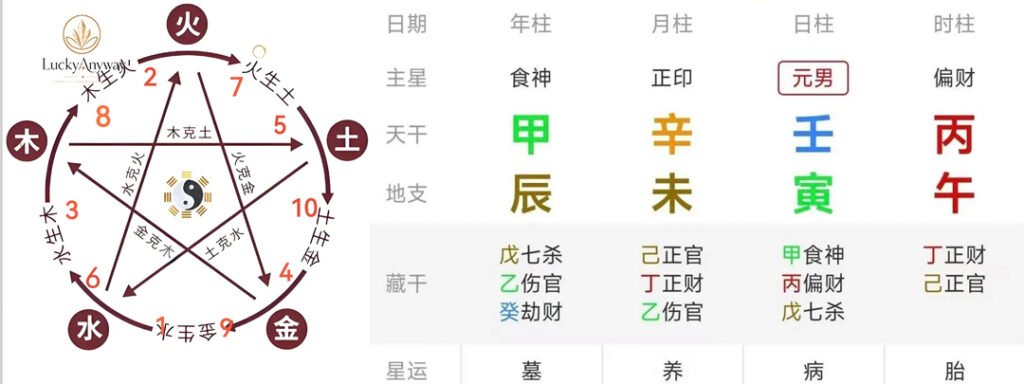
In traditional Chinese metaphysics, a wearing method involves more than deciding which wrist should carry a bracelet. The choice of material, its relationship with the Five Elements, the wearer’s personal circumstances, and the purpose of the object all influence how it is understood and used. Some wearing customs come from Chinese folk traditions, while personalized Feng Shui jewelry may draw on Five Elements theory and BaZi analysis. The practical rule is simple: understand why you are wearing an item before following a rule you found online. A suitable method should fit the tradition, the object, and the person.
What Does a Wearing Method Mean in Traditional Chinese Metaphysics?
A wearing method is the way a person selects, wears, and incorporates a meaningful object into daily life according to a particular tradition or purpose. In Chinese culture, jade pendants, auspicious ornaments, talismanic objects, and Five Element jewelry may carry different meanings. Their use is shaped by cultural customs, symbolic associations, personal intention, and, where appropriate, an individual’s metaphysical analysis.
The first distinction matters: there is no single wearing rule that applies to every Chinese metaphysical object. A jade pendant inherited from family, a traditional talisman, and a personalized Feng Shui bracelet do not necessarily follow the same conventions. Their origins and purposes differ, so copying a rule from one category and applying it to another can lead to confusion.
Consider a customer choosing a bracelet for a new stage of life. The customer may ask whether it should be worn on the left wrist, whether it must be worn every day, or whether it needs to be removed at certain times. These are reasonable practical questions, but they should come after understanding the bracelet’s intended role. Wrist preference alone cannot establish whether the materials or Five Element associations suit the wearer.
For LuckyAnyway, the starting point is to connect the product with the traditional reasoning behind its selection. The purpose is not to make every bracelet follow a universal ritual. It is to help customers understand what they are wearing and why that choice is meaningful within the tradition they follow.
Why Do Online Wearing Rules Often Contradict One Another?
One website may recommend wearing a bracelet on the left wrist to attract favorable influences, while another recommends the right wrist for the same purpose. Such advice is often presented as an absolute rule, even though wearing customs can vary according to the object, the tradition, the region, and the practitioner’s interpretation.
A familiar saying about the left side receiving and the right side releasing is widely circulated in modern Feng Shui jewelry marketing. It may be used as a convenient personal convention, but it should not automatically be treated as a universal rule established by classical BaZi texts. The Di Tian Sui, San Ming Tong Hui, and Qiong Tong Bao Jian are primarily concerned with traditional principles of destiny analysis, Five Element relationships, seasonal influences, and related judgments—not a universal wrist-placement formula for every modern bracelet.
An experienced practitioner therefore asks what kind of object is involved and which tradition supports the instruction. If a seller insists that wearing every bracelet on the wrong wrist will cancel its benefits, ask for the basis of that claim. A confident statement is not the same as a well-founded traditional explanation.
| Wearing Question | What It Concerns | Common Online Claim | Practitioner’s Check | Practical Decision |
|---|---|---|---|---|
| Which wrist? | Custom, object type, and personal preference | One side is always correct | Identify the source and purpose of the rule | Follow a clear, relevant tradition rather than a blanket claim |
| Every day or occasionally? | Personal practice and care requirements | Continuous wear is always necessary | Separate custom from material-care needs | Choose a sustainable routine |
| Can different bracelets be combined? | Purpose, material compatibility, and traditional rationale | More bracelets always mean more benefit | Check whether the combination has a coherent purpose | Avoid collecting unrelated items without a reason |
How Does Five Elements Theory Affect the Choice of a Bracelet?
Five Elements theory considers Wood, Fire, Earth, Metal, and Water as interacting aspects of a larger system. In personalized Feng Shui jewelry, these associations can guide the selection of materials, colors, and designs. However, a traditional Five Element approach does not reduce a person’s needs to the element that appears least often in a chart.
In BaZi, an element’s role depends on the overall chart. Practitioners examine seasonal influence and climatic needs, roots, structure, strength, useful and unfavorable elements, and interactions among the stems and branches. The order of judgment matters: 调候, 通根, 格局, 旺衰, 病药, 论杀, followed by 合、生、克、冲、刑、害、破、穿. These stages help establish a reasoned interpretation before any personalized recommendation is considered.
This distinction changes how a five element bracelet is selected. Someone may have little visible Water in a chart, but that alone does not establish that Water is the appropriate element to emphasize. The complete pattern must be assessed first. Equally, a bracelet’s color should not be used as a substitute for understanding the material’s traditional association or the wearer’s intended purpose.
Customers who want their choice to reflect their own BaZi structure can learn more through LuckyAnyway’s BaZi Analysis service. The purpose of personalized analysis is to establish a reasoned basis for selection rather than apply the same formula to everyone.
How Should You Wear a Bracelet for Personal Feng Shui?
Personal Feng Shui considers how traditional principles relate to an individual’s circumstances, habits, and surroundings. When a bracelet is selected according to Five Elements theory or a BaZi assessment, the wearing method should be considered alongside the reason the bracelet was chosen. The goal is not to follow a wrist rule blindly, but to use the item in a way that fits its intended traditional purpose. For example, someone choosing a Five Element bracelet based on their BaZi chart should first understand the reasoning behind the material and elemental combination. If the selection is intended to support a particular balance in the chart, changing the bracelet’s position repeatedly because of conflicting online advice does not improve the quality of that selection. Consistency and understanding are more useful than constantly switching methods. There is also a practical side to personal Feng Shui. A bracelet should fit comfortably, remain in good condition, and suit the wearer’s daily activities. Traditional intention and everyday usability do not have to conflict. A method that is too inconvenient to maintain may be less suitable for that individual’s routine.A practical comparison of common wearing situations
| Wearing Situation | Traditional Consideration | What to Check | Practical Approach | Common Mistake |
|---|---|---|---|---|
| Daily wear | The item’s intended role and personal suitability | Comfort, material, and purpose | Choose a method that can be followed consistently | Changing wrists after reading every new rule |
| Work or business settings | The personal intention behind the bracelet | Whether the bracelet interferes with work | Keep the chosen method practical and comfortable | Assuming a particular wrist guarantees success |
| Personalized Five Element jewelry | The BaZi reasoning behind the elemental combination | Whether the materials were selected for the individual | Follow the wearing guidance provided with the piece | Selecting a wrist before understanding the bracelet |
| Occasional or ceremonial use | The custom associated with the specific object or occasion | Whether the item has particular handling instructions | Respect the relevant tradition rather than generalizing | Treating every type of Feng Shui jewelry alike |
Should You Wear a Feng Shui Bracelet on the Left or Right Wrist?
This is one of the most common questions about the feng shui wearing method. A popular explanation says that the left hand receives favorable influences while the right hand releases unwanted influences. This idea appears frequently in contemporary crystal and Feng Shui jewelry guidance, but it should not be presented as an absolute rule that applies to every traditional object or every person. The more responsible approach is to ask where the rule comes from and whether it fits the bracelet being worn. A jade bangle, a folk talisman, a crystal bracelet selected for its Five Elements associations, and a personalized Feng Shui bracelet do not necessarily share the same conventions. Their materials, cultural contexts, and intended uses can differ. If the maker or practitioner has provided a specific wearing instruction based on the item’s purpose, follow that guidance rather than combining several contradictory rules. If no particular instruction has been established, choose a comfortable wrist and avoid assuming that the side alone determines the bracelet’s traditional role. In other words, **the left-versus-right question should come after the question of suitability, not before it**. The wrist is one part of the wearing method; it is not a substitute for understanding why the item was chosen.Can You Wear Several Feng Shui Bracelets Together?
Wearing multiple bracelets is not automatically unsuitable. The more important consideration is whether the combination has been thought through. People sometimes collect jewelry for different purposes: a piece associated with a particular Five Element quality, a traditional talisman, and a bracelet chosen for personal meaning. These objects may come from different traditions, so it is unwise to assume that every combination follows one universal formula. For a personalized five element bracelet, begin with the reasoning behind its selection. If the materials were chosen to address a particular pattern in a BaZi chart, adding several other pieces simply because they are marketed as favorable may create a collection without a clear plan. More objects do not automatically mean a more suitable arrangement. Consider the following checks before combining items.| Combination | Question to Ask | Reason for Checking | Suggested Approach | Avoid |
|---|---|---|---|---|
| Two Five Element bracelets | Were both selected with the same chart in mind? | Their elemental roles may differ | Understand each piece’s intended function | Assuming more elements always improve balance |
| A bracelet and a talisman | Do their handling and wearing customs differ? | Different objects can follow different traditions | Respect the guidance for each object | Applying one rule to every item |
| Several crystal bracelets | Is each piece being added for a clear reason? | A collection should have a coherent purpose | Start with the primary piece and add thoughtfully | Buying by color or online claims alone |
| A bracelet worn with a watch | Will the arrangement damage or restrict either item? | Everyday wear affects material condition and comfort | Separate pieces if they rub or feel restrictive | Ignoring physical wear and comfort |
What Should You Check Before Choosing Wearable Feng Shui?
Before purchasing feng shui jewelry, look beyond the color, the wrist recommendation, and the product description. Ask what traditional reasoning supports the selection. Is it a general piece associated with one of the Five Elements, a culturally meaningful object, or a personalized bracelet chosen after considering a BaZi chart? Those are different starting points. For a personalized choice, the birth chart should be interpreted as a whole. The Day Master, seasonal conditions, roots, structure, strength and weakness, and favorable or unfavorable relationships need to be considered in context. A missing element does not automatically mean that element should be added. The useful question is whether a particular element serves the chart’s needs, not simply whether it appears less frequently. This is why two people with the same Day Master may not be suited to the same bracelet. Their birth months, roots, structures, and balancing needs can differ. A personalized Feng Shui bracelet should follow the analysis, rather than forcing the analysis to fit a ready-made product. If you are exploring this approach, you can browse LuckyAnyway’s Five Element Collection to understand the range of personalized options. To learn more about the brand’s traditional-cultural approach, visit the LuckyAnyway homepage.Insight: The Wearing Method Begins with the Reason for Wearing
A frequent mistake is to treat the wearing method as a shortcut: choose a wrist, repeat a rule, and expect the same result as everyone else. Traditional Chinese metaphysics offers a more considered way to approach personal items. The meaning of an object, its intended use, the individual’s circumstances, and the principles behind its selection all matter. For a general bracelet, comfort and cultural understanding may be sufficient. For a personalized Five Element bracelet, the reasoning behind its materials and combination deserves closer attention. If the item has specific traditional instructions, follow them consistently. If it does not, there is no need to invent a strict rule where none has been established. A thoughtful wearing method is therefore not about anxiety over every small detail. It is about making an informed choice, respecting the tradition involved, and using the item in a way that fits its purpose and the wearer’s life.Frequently Asked Questions
1. Is there one correct wearing method for every Feng Shui bracelet?
No single wearing method applies universally to every type of bracelet. The appropriate approach depends on the object, the tradition it belongs to, and whether it was selected for a general purpose or personalized according to BaZi and Five Elements theory. Follow specific guidance when it has a clear traditional basis rather than treating online wrist rules as universal instructions.2. Does wearing a Five Element bracelet on the wrong wrist cancel its purpose?
It is not helpful to assume that one wrist automatically cancels a bracelet’s intended role. First understand why the bracelet was selected and whether a particular wearing instruction was provided. If no specific rule applies, choose a comfortable and practical method instead of repeatedly switching wrists out of concern that a popular online rule might be wrong.3. How do I choose a personalized Feng Shui bracelet?
Begin with a proper understanding of your BaZi chart rather than selecting a bracelet only by birth-year animal, color, or missing element. Traditional analysis considers seasonal conditions, roots, structure, strength and weakness, and the chart’s favorable and unfavorable relationships. The materials and combination should follow that reasoning. This gives the bracelet a clearer traditional purpose and helps you choose a wearing method that suits the item.A More Considered Approach to Wearing Feng Shui Jewelry
The wearing method in traditional Chinese metaphysics is not simply a left-wrist or right-wrist rule. It is part of understanding an object’s cultural background, intended role, and relationship to the person wearing it. For personalized jewelry, the most important work begins before the bracelet is put on: the selection should make sense within the relevant traditional framework. When you understand why a bracelet was chosen, you can approach its wearing method with greater clarity. Rather than collecting conflicting rules, focus on the object’s purpose, the basis for its selection, and the practical guidance that fits your circumstances. This is a more thoughtful way to approach personal Feng Shui and wearable items rooted in Chinese traditional culture.Contact Us
Similar Posts
Can a Crystal Bracelet Support Emotional Balance?
A crystal bracelet can be used as a personal reminder of calm, balance, intention, and a preferred state of mind, especially when it is chosen according to a clear traditional framework. In Chinese traditional thought, however, balance is not simply about choosing a beautiful stone or adding more of one element. Yin and Yang, the…
Metal Element Bracelet: Meaning and Feng Shui
What Does Metal Mean in the Five Elements? A Metal Element Bracelet is traditionally associated with the Metal phase of the Chinese Five Elements: Wood, Fire, Earth, Metal, and Water. Metal is connected with qualities such as refinement, structure, firmness, order, and the ability to distinguish what should be kept from what should be removed….
What Is a Feng Shui Bracelet?
A Feng Shui Bracelet is a wearable item based on principles associated with traditional Chinese Feng Shui, Five Elements, symbolic materials, and personal energetic relationships. It is not simply a generic lucky bracelet. A properly chosen bracelet is intended to support a person’s relationship with surrounding qi, elemental qualities, and personal needs. Traditional practice pays…
What Is Yin and Yang? Understanding Yin-Yang and the Five Elements
The Foundation of Five Elements: How Yin and Yang Shape BaZi Interpretation Yin and Yang are the foundation behind the Five Elements system. They explain why the same element can appear in different forms and why Jia Wood is not interpreted the same way as Yi Wood, even though both belong to Wood. In BaZi…
After the Fire: What Jordan Shipley’s Story Reveals About Faith and Life
What Do We Hold Onto When Life Changes Without Warning? When life changes without warning, people often discover that control was never as complete as they thought. What remains is preparation, the people they love, the values they have built their life around, and, for many, faith. Jordan Shipley’s experience after a devastating farm fire…
Five Element Bracelet vs Feng Shui Bracelet
The Difference Starts With What the Bracelet Is Based On A Five Element Bracelet and a Feng Shui Bracelet can look very similar, but they do not begin from exactly the same traditional framework. A Five Element Bracelet is primarily concerned with the relationships of Wood, Fire, Earth, Metal, and Water, often with personal matching…